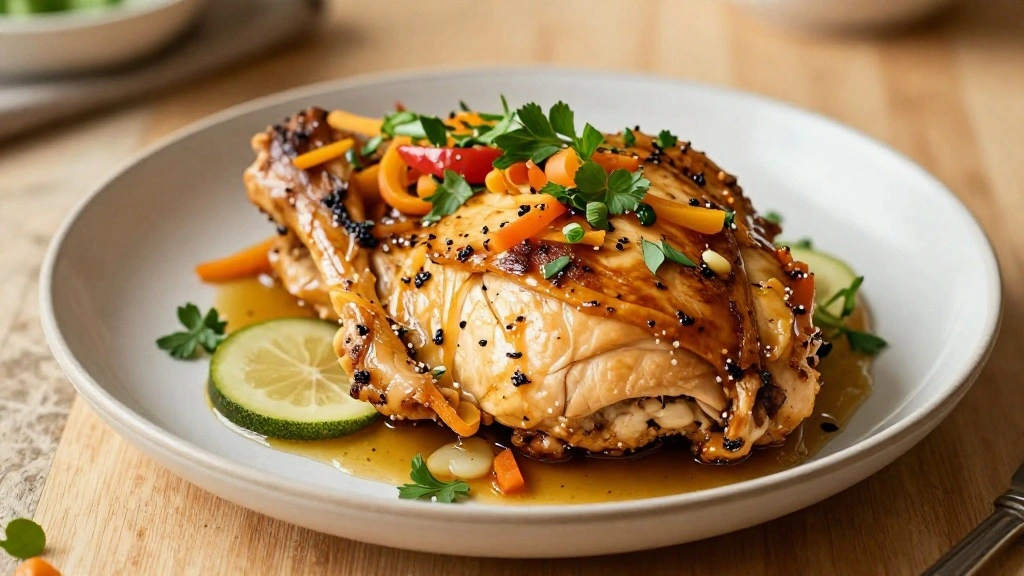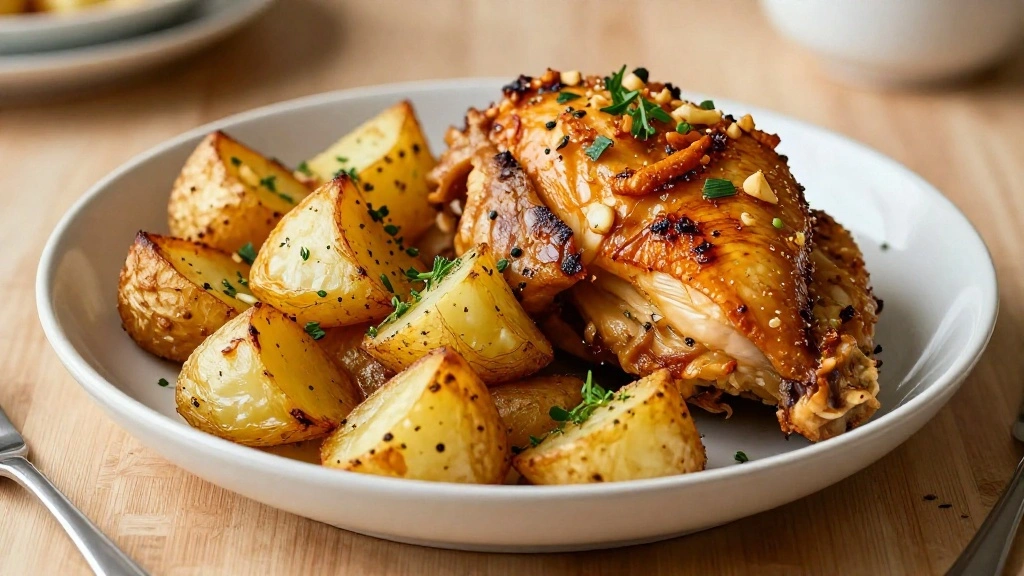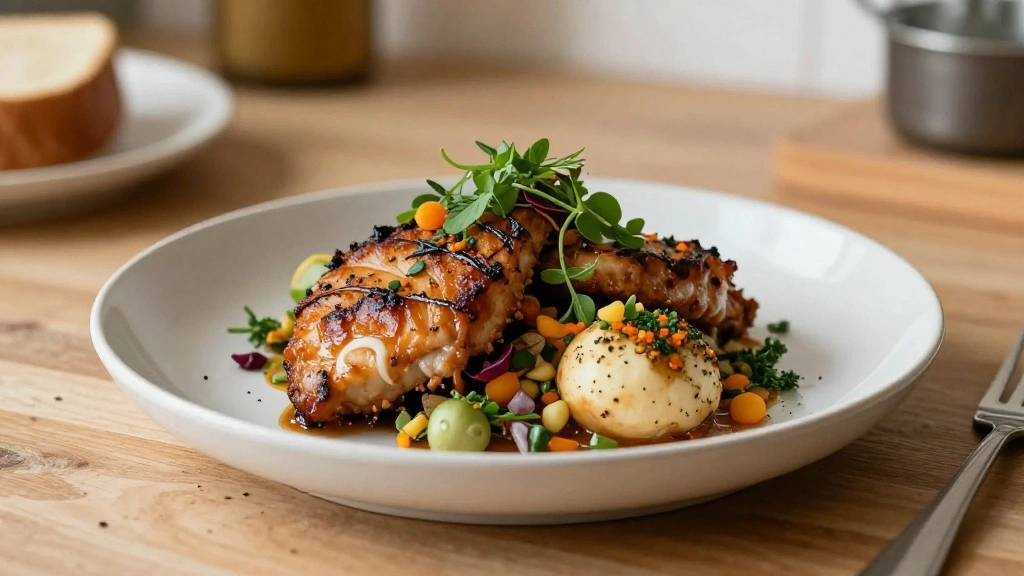

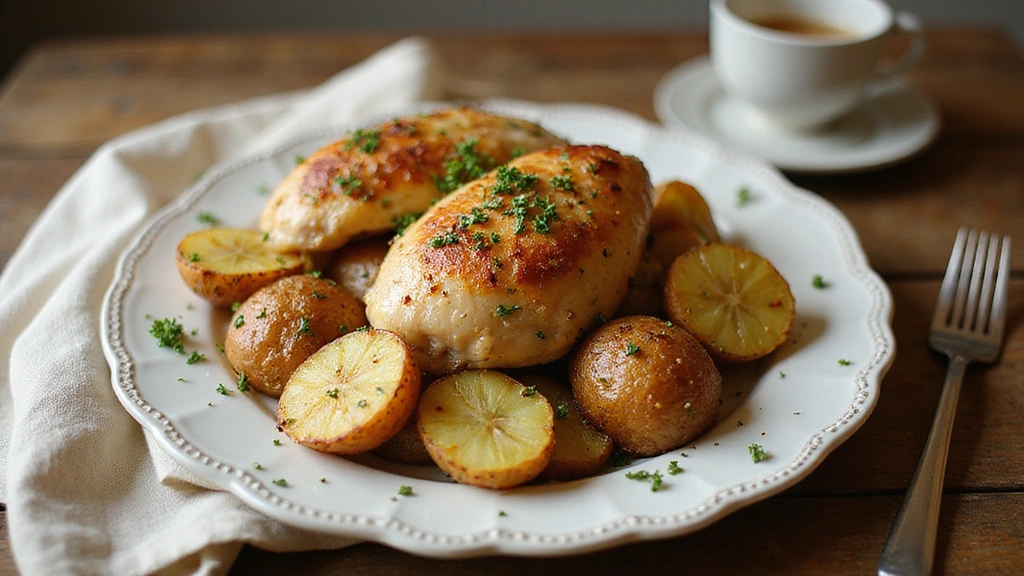


This classic Chicken and Potatoes recipe brings together centuries of culinary tradition with modern techniques to create a dish that’s both comforting and elegant.
The harmonious balance of tender chicken and crispy roasted potatoes creates a memorable dining experience that will have everyone asking for your secret.
I discovered this recipe during my travels through the countryside of France, where local chefs have perfected it through generations of careful refinement.
Whether you’re preparing a casual family dinner or hosting a special celebration, this Chicken and Potatoes dish delivers impressive results with straightforward preparation.
The History and Cultural Significance
• Chicken and Potatoes traces its origins to 18th century France, where it was originally created by rural homemakers using locally available ingredients.
• The dish evolved over decades as spices and cooking techniques from other cultures were introduced, eventually becoming the beloved version we know today.
• In many European cultures, this dish traditionally appears at family gatherings, symbolizing warmth and hospitality.
• While many variations exist across different regions, the authentic version maintains a simple yet flavorful preparation that sets it apart from imitations.
Recipe Overview
Nutritional Information (per serving)
Essential Equipment Guide
Baking Sheet: A sturdy baking sheet ensures even heat distribution, crucial for achieving perfectly crispy potatoes. Alternatives like a cast iron skillet can work, but ensure it’s large enough to avoid overcrowding.
Oven Thermometer: Essential for maintaining accurate oven temperatures, preventing undercooked chicken or over-roasted potatoes. Look for a model with a clear display and a wide temperature range.
Sharp Chef’s Knife: A sharp knife ensures clean cuts of chicken and uniform potato slices, which cook evenly. Alternatives include a santoku knife, but ensure it’s well-honed for the best results.
Ingredients
For the Chicken
|
| Amount | Ingredient | Notes |
|---|---|---|
| 4 pieces | chicken thighs | bone-in, skin-on for flavor and moisture |
| 2 tablespoons | olive oil | adds richness and aids in browning |
Seasonings
| Amount | Ingredient | Notes |
|---|---|---|
| 1 teaspoon | salt | enhances flavor |
| 1 teaspoon | black pepper | adds subtle heat |
| 1 teaspoon | paprika | adds color and smoky depth |
For the Potatoes
| Amount | Ingredient | Notes |
|---|---|---|
| 4 medium | potatoes | cut into wedges for even roasting |
| 2 tablespoons | olive oil | helps achieve crispy texture |
| 1 teaspoon | rosemary | offers aromatic flavor |
| 1 teaspoon | thyme | complements chicken beautifully |
Preparation Methods
Marinating: Marinating is crucial for infusing the chicken with flavor and ensuring tenderness. Combine the chicken with olive oil, salt, pepper, and paprika, and let it rest for at least 30 minutes to allow flavors to penetrate deeply.
Parboiling: Parboiling potatoes before roasting helps achieve a crispy exterior while keeping the inside tender. Boil sliced potatoes for 5 minutes, then drain and toss with olive oil and herbs.
High-Heat Roasting: Roasting at high temperatures caramelizes the chicken skin and crisps the potato edges. Ensure your oven is preheated to 425°F for optimal results.
Step 1: Preheat the Oven
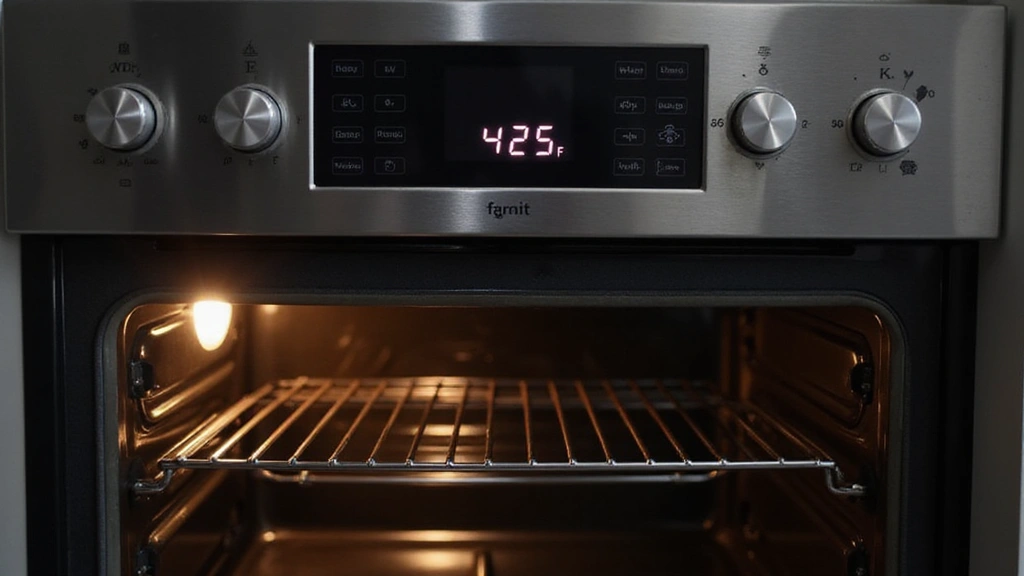
Set your oven to 425°F.
Ensure the oven rack is positioned in the center.
Preheating is essential for achieving the right texture.
Wait for the oven to fully reach the desired temperature before proceeding.
Step 2: Prepare the Chicken
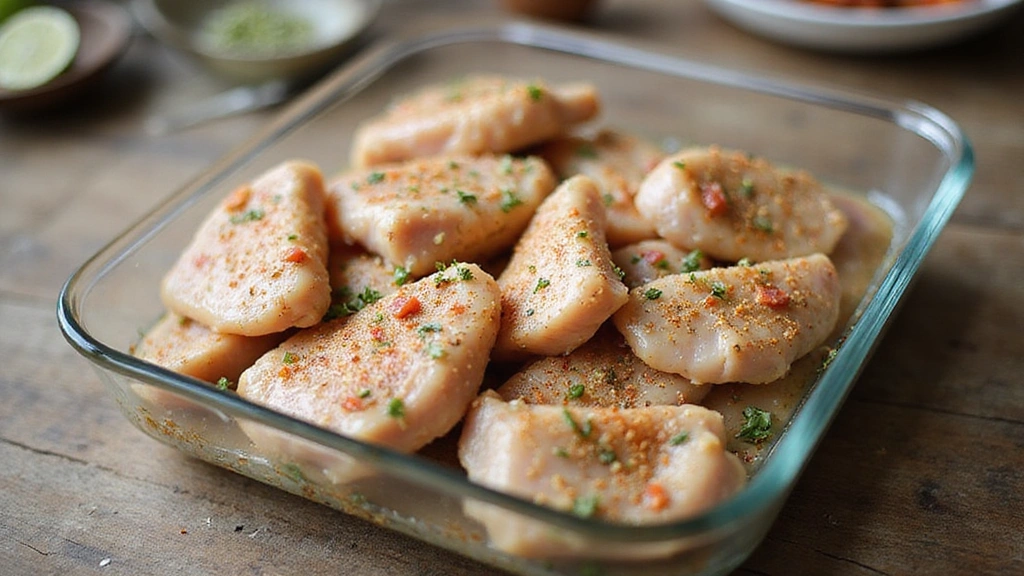
Place chicken in a shallow dish.
Drizzle with olive oil and sprinkle with salt, pepper, and paprika.
Rub seasonings thoroughly into the chicken.
Cover and let marinate for at least 30 minutes.
Step 3: Parboil the Potatoes
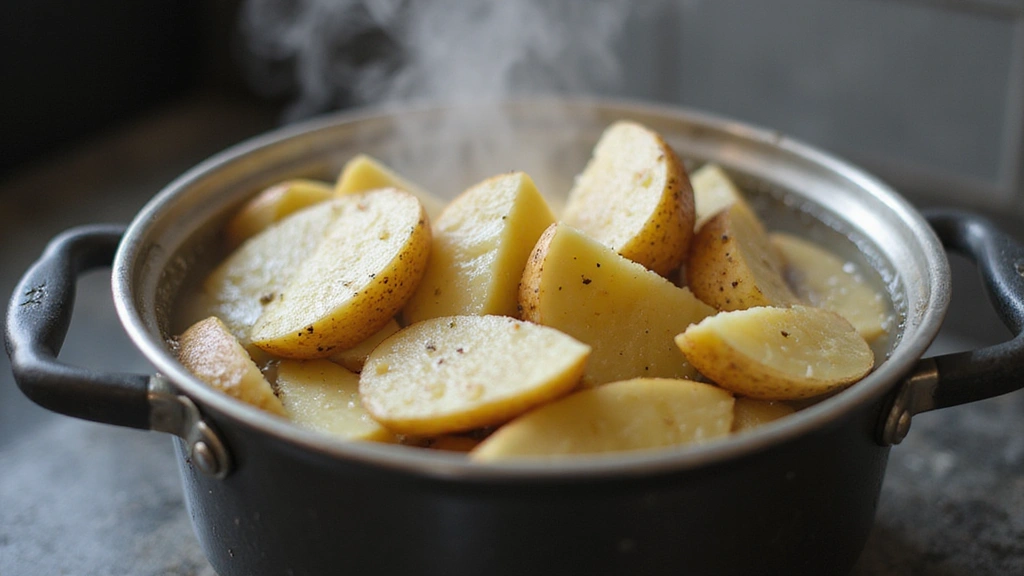
Fill a large pot with water and bring to a boil.
Add potato wedges and parboil for 5 minutes.
Drain potatoes in a colander and let them steam dry.
Ensure potatoes are dry before roasting to achieve crispiness.
Step 4: Season the Potatoes
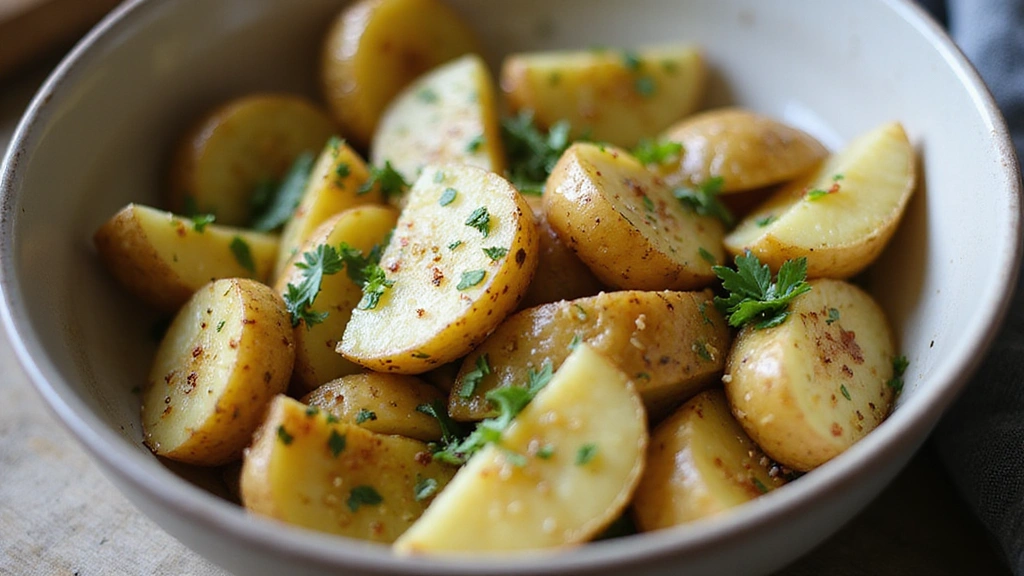
Transfer potatoes to a mixing bowl.
Add olive oil, rosemary, and thyme.
Toss to coat evenly.
Ensure each wedge is well covered with oil and herbs.
Step 5: Arrange on Baking Sheet
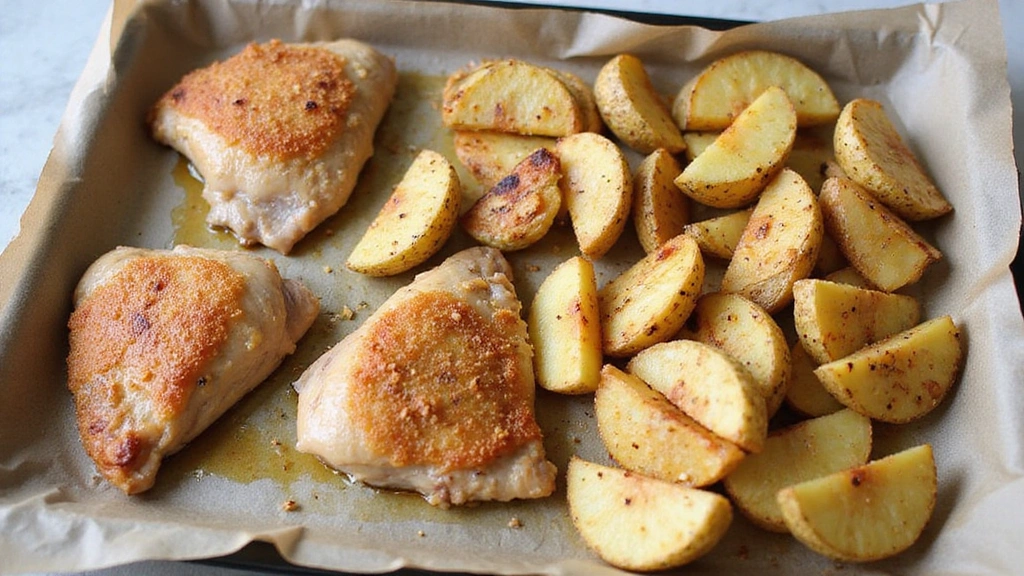
Line a baking sheet with parchment paper.
Place marinated chicken on one side.
Arrange seasoned potatoes on the other side.
Ensure potatoes are in a single layer for even roasting.
Step 6: Roast in the Oven
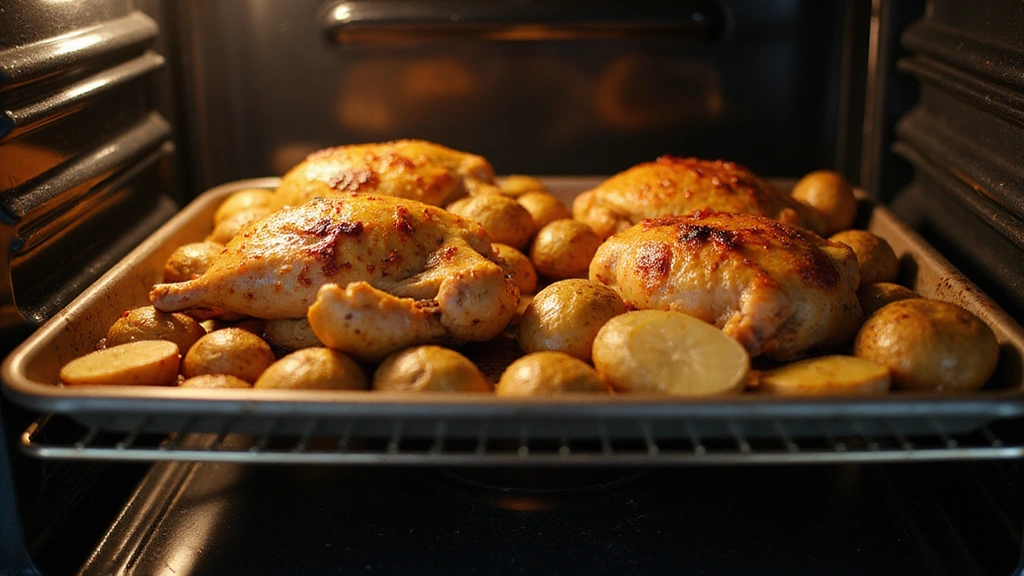
Place the baking sheet in the preheated oven.
Roast for 20 minutes, then turn over chicken and potatoes.
Continue roasting for another 25 minutes.
Look for golden-brown skin on chicken and crispy edges on potatoes.
Step 7: Check for Doneness
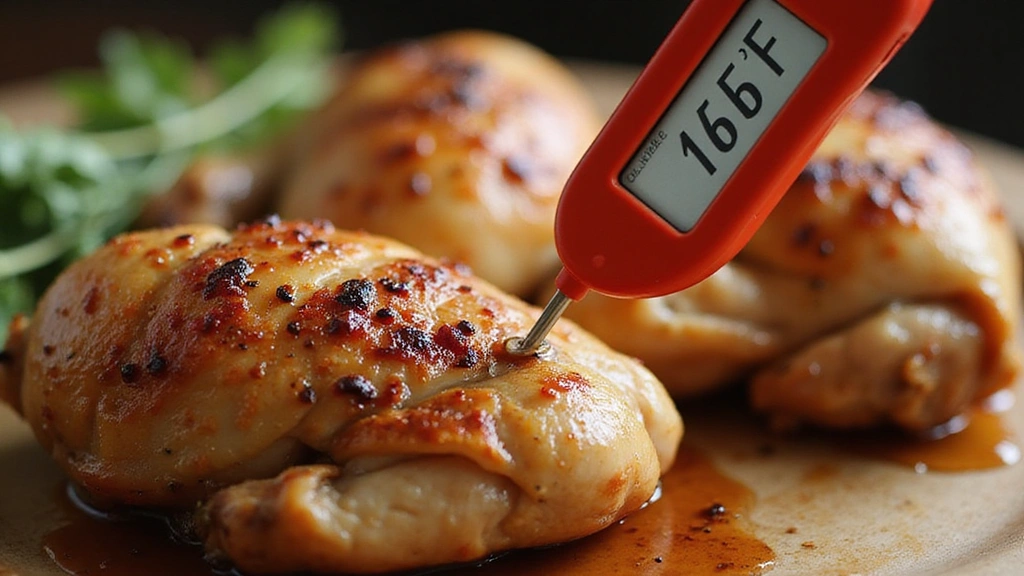
Use a meat thermometer to check chicken temperature.
Ensure it reads 165°F at the thickest part.
Potatoes should be fork-tender.
Adjust cooking time if necessary for perfect doneness.
Step 8: Rest and Serve
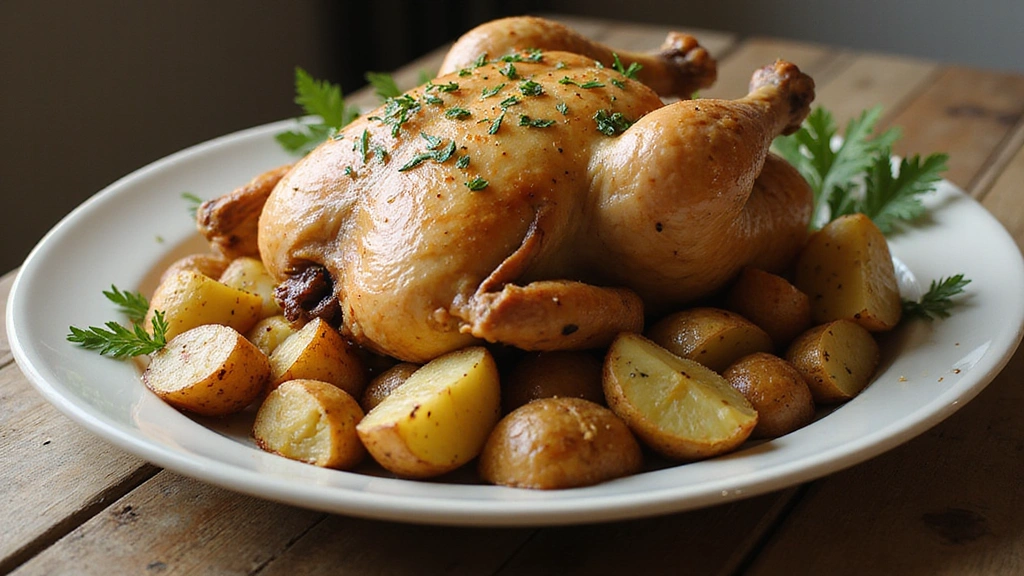
Remove baking sheet from oven.
Let chicken rest for 5 minutes to retain juices.
Arrange chicken and potatoes on a serving platter.
Garnish with additional herbs if desired.
Critical Timing and Temperature Guide
Chicken Roasting: Roast at 425°F for 45 minutes total. Ensure skin is golden and crispy; if not, increase time by 5-minute increments. Avoid undercooking by checking internal temperature reaches 165°F.
Potato Roasting: Roast alongside chicken at 425°F. Look for crispy edges and fork-tender centers. Overcrowding the pan can lead to steaming instead of roasting.
Resting Period: Allow chicken to rest for 5 minutes post-roasting. This allows juices to redistribute, enhancing flavor and moisture. Skipping this step can lead to dry meat.
Pro Tips for Chicken and Potatoes
• Ingredient Selection: Choose organic chicken for better flavor and quality. Opt for Yukon Gold potatoes for their buttery texture.
• Preparation Secret: Scoring chicken skin allows seasonings to penetrate and renders fat, achieving crispy skin.
• Temperature Management: Ensure chicken and potatoes are at room temperature before cooking for even heat distribution.
• Texture Enhancement: Parboiling potatoes enhances crispiness by removing excess starch and moisture.
• Flavor Layering: Layer flavors by seasoning in stages: during marination, before roasting, and after cooking.
• Make-Ahead Strategies: Marinate chicken overnight and keep potatoes parboiled and refrigerated for up to 24 hours.
• Restaurant-Quality Finishing Touches: Finish with a sprinkle of flaky sea salt and a squeeze of lemon juice for brightness.
• Equipment Optimization: Use convection settings if available to enhance air circulation and browning.
Troubleshooting Common Issues
• Chicken Skin Not Crispy: Ensure skin is dry before cooking and oven reaches correct temperature. If soggy, broil for 2-3 minutes at the end.
• Potatoes Undercooked: Cut potatoes into even sizes for uniform cooking and check oven calibration if they remain hard.
• Flavors Unbalanced: Taste and adjust seasonings before roasting. Add a touch of acid like lemon juice if flavors seem flat.
• Chicken Overcooked: Use a meat thermometer to prevent overcooking. Resting chicken properly retains moisture.
• Potatoes Not Crispy: Avoid overcrowding on the baking sheet. Ensure potatoes are completely dry before roasting.
• Uneven Cooking: Rotate baking sheet halfway through roasting to promote even browning on all sides.
Variations and Regional Differences
• Provençal Style: Incorporates olives and tomatoes for a Mediterranean twist, enhancing the dish with fresh flavors and vibrant colors.
• Spanish Style: Adds chorizo sausage and smoked paprika for a spicier, robust flavor profile, often served with aioli.
• Italian Style: Uses balsamic vinegar and garlic for a sweet and tangy balance, often garnished with fresh basil.
• American Southern Style: Features a buttermilk marinade and smoked paprika, typically served with cornbread or biscuits.
Food Science Behind the Recipe
• Maillard Reaction: This chemical reaction between amino acids and reducing sugars gives roasted chicken its golden-brown color and complex flavors.
• Gelatinization of Starches: Parboiling potatoes causes starch to gelatinize, helping to create a crispy exterior upon roasting.
• Flavor Infusion: Marinating chicken allows osmosis to infuse flavors deeply into the meat, enhancing taste and tenderness.
Frequently Asked Questions
What's the most common mistake people make when preparing Chicken and Potatoes? Overcrowding the baking sheet, which leads to steaming instead of roasting.
Can I use boneless chicken for this recipe? Yes, but adjust cooking time as boneless pieces cook faster and can dry out if overcooked.
How can I make the potatoes extra crispy? Parboil and dry them thoroughly and ensure they are spread out in a single layer on the baking sheet.
What herbs can substitute for rosemary and thyme? Sage and oregano can be used for a different flavor profile, but keep quantities similar.
How do I store leftovers? Store in an airtight container in the refrigerator for up to 3 days, and reheat in the oven to maintain texture.
Can I add vegetables to this dish? Yes, carrots and bell peppers work well, but adjust roasting times as needed.
Why is resting the chicken important? It allows juices to redistribute, preventing dry meat when cutting into it.
Serving and Presentation Guide
• Traditional Presentation: Serve on a large platter with chicken arranged in the center surrounded by potatoes, garnished with fresh herbs.
• Family Style: Present in a rustic cast iron skillet from oven to table for a casual and inviting feel.
• Modern Plating: Arrange potatoes in a neat stack with chicken on top, drizzled with a reduction sauce and garnished with microgreens.
• Buffet Setup: Keep chicken and potatoes in separate chafing dishes with serving utensils, allowing guests to serve themselves.
Conclusion
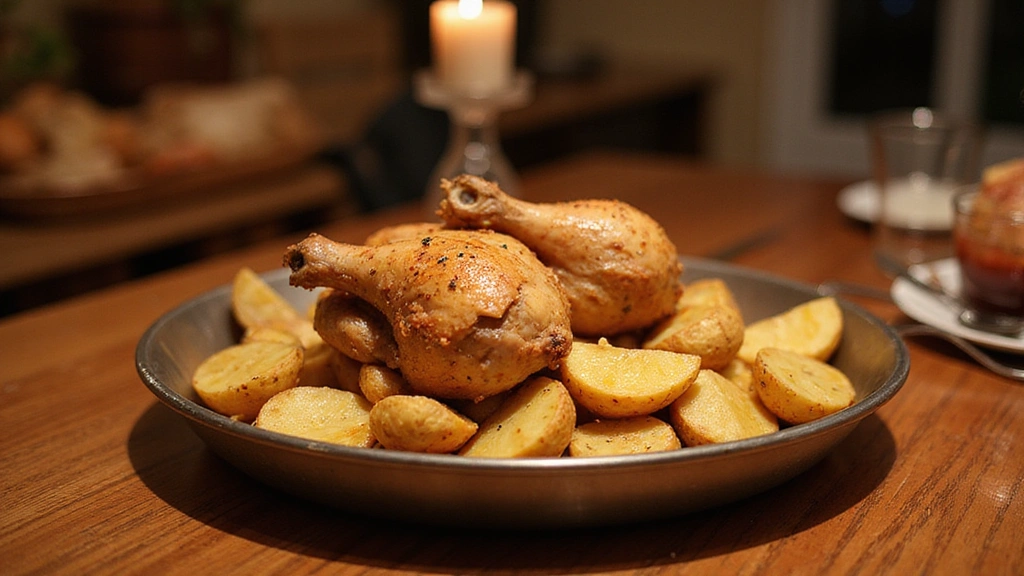
With its rich history and comforting flavors, this Chicken and Potatoes recipe is sure to become a favorite in your home.
The straightforward preparation and satisfying results make it perfect for both everyday meals and special occasions.
Try this recipe today and experience the timeless appeal of a truly classic dish.