


A Chicken Rice Bowl That Makes Lunch Feel Effortless
2 cups jasmine rice
2 1/2 cups chicken broth
1 large carrot
1 cup broccoli florets
2 tablespoons soy sauce
1 teaspoon sesame oil
1 pound chicken breast
2 cloves garlic
PT45M
4 servings
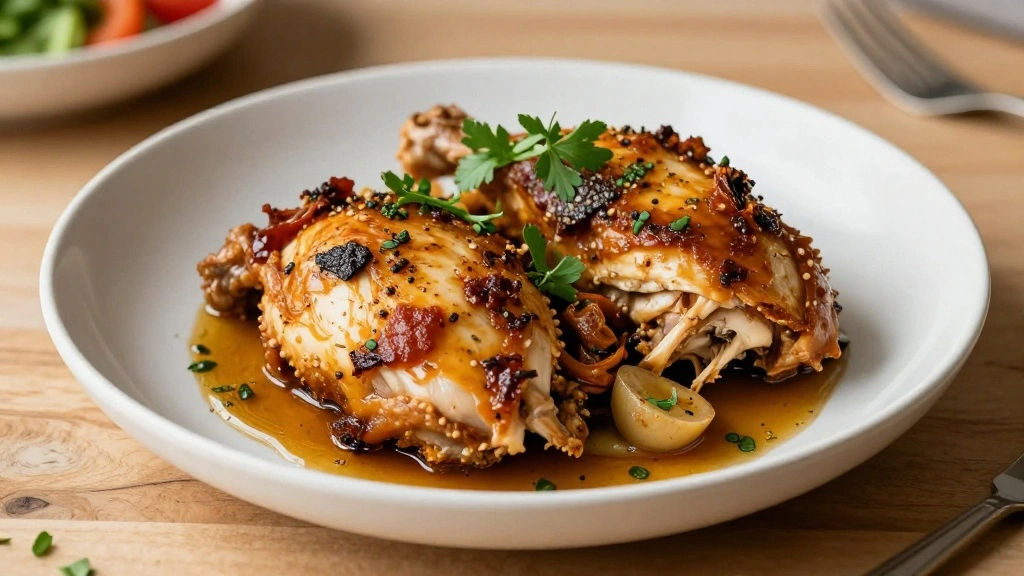
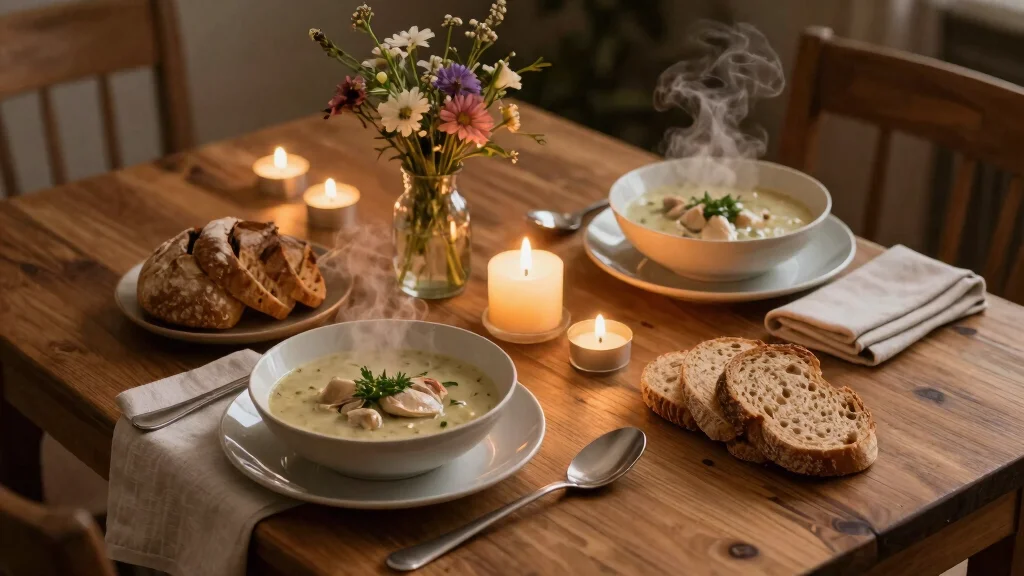
Imagine a midday meal that feels like a warm embrace, effortlessly combining comfort and flavor in every bite.
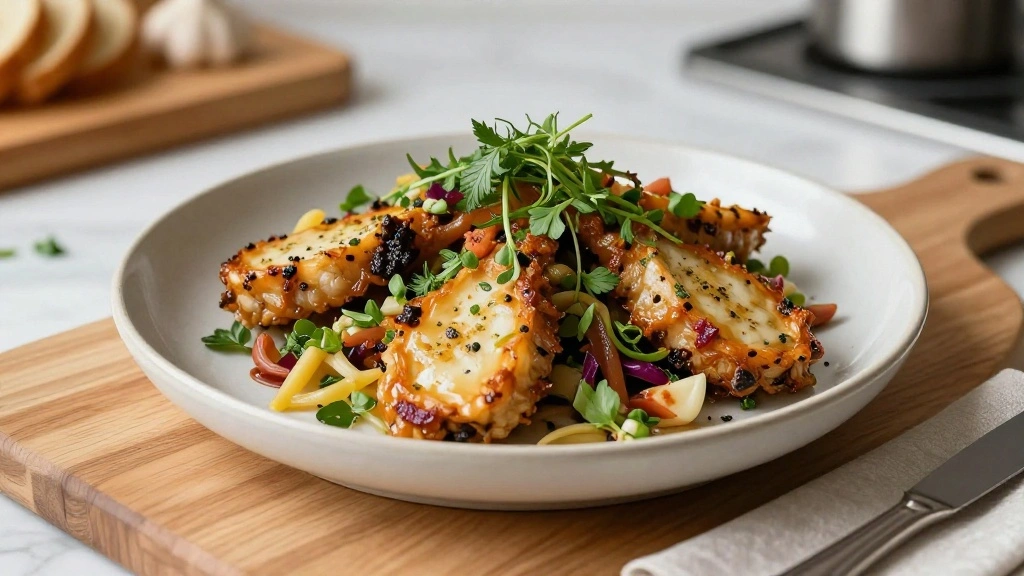
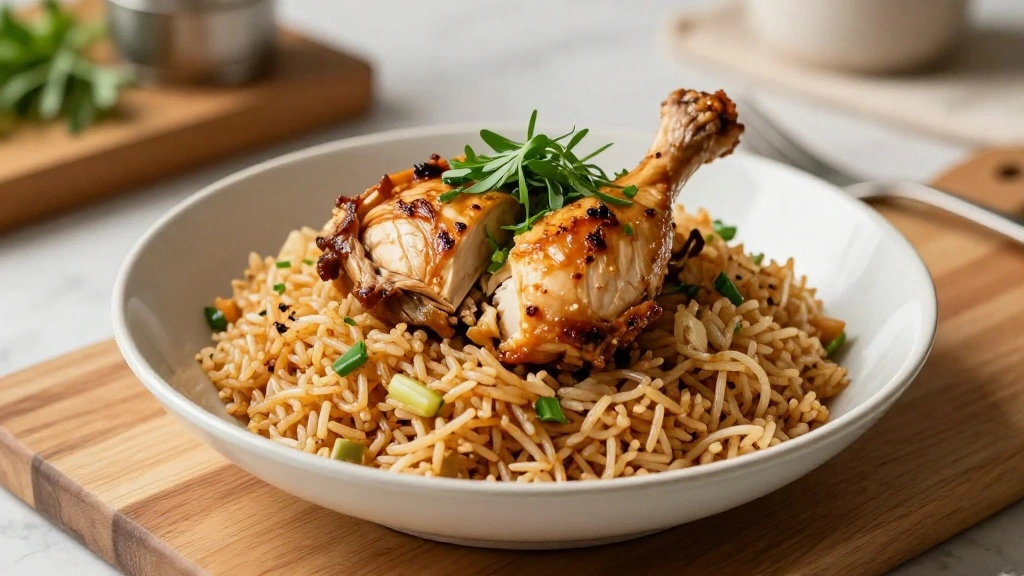
Our Chicken Rice Bowl recipe captures the essence of simplicity without sacrificing taste.
The savory chicken, perfectly cooked rice, and vibrant vegetables create a symphony of flavors that are both nourishing and satisfying.
This recipe was inspired by the comforting meals my grandmother used to make during the chilly autumn months.
It’s the ideal dish to prepare when you’re short on time but still crave a homemade touch.
Whether it’s for a quick lunch or a casual dinner, this Chicken Rice Bowl is sure to become a household favorite.
The History and Cultural Significance
• A Chicken Rice traces its origins to Southeast Asia, where it was originally created by Chinese immigrants in the 19th century.
• The dish evolved over decades as different spices and cooking methods were introduced, eventually becoming the beloved version we know today.
• In Singapore and Malaysia, this dish traditionally appears at family gatherings and festivals, symbolizing prosperity and togetherness.
• While many variations exist across different regions, the authentic version maintains the fragrant, ginger-infused rice that sets it apart from imitations.
Recipe Overview
Nutritional Information
Essential Equipment Guide
Rice Cooker: A rice cooker ensures perfectly cooked rice with a consistent texture, crucial for this dish. Alternatives like a heavy-bottomed pot work, but require more attention. Look for a model with a ‘keep warm’ function.
Non-stick Skillet: A non-stick skillet prevents the chicken from sticking and allows for even browning. Cast iron pans can be used but require more oil. Ensure the skillet has a lid for steaming.
Sharp Chef’s Knife: Precise slicing of chicken and vegetables is essential for uniform cooking. A sharp blade reduces prep time and ensures even cooking. Regularly sharpen your knife for best results.
Ingredients
For the Base
| Amount | Ingredient | Notes |
|---|---|---|
| 2 cups | jasmine rice | rinsed for clean texture |
| 2 1/2 cups | chicken broth | adds flavor |
Vegetables
| Amount | Ingredient | Notes |
|---|---|---|
| 1 large | carrot | thinly sliced |
| 1 cup | broccoli florets | fresh, adds crunch |
Seasonings
| Amount | Ingredient | Notes |
|---|---|---|
| 2 tablespoons | soy sauce | umami flavor |
| 1 teaspoon | sesame oil | adds depth |
For the Chicken
| Amount | Ingredient | Notes |
|---|---|---|
| 1 pound | chicken breast | sliced into strips |
| 2 cloves | garlic | minced |
Preparation Methods
Rinsing Rice: Rinsing rice removes excess starch, preventing it from becoming sticky and ensuring a fluffy texture. Use a fine-mesh strainer and rinse until the water runs clear.
Marinating Chicken: Marinating chicken in soy sauce and sesame oil infuses it with flavor and helps tenderize the meat. Allow at least 15 minutes for the marinade to work its magic.
Stir-Frying: Stir-frying involves cooking ingredients quickly over high heat to retain their color and texture. Keep ingredients moving in the pan to prevent burning and ensure even cooking.
Step 1: Prepare Ingredients
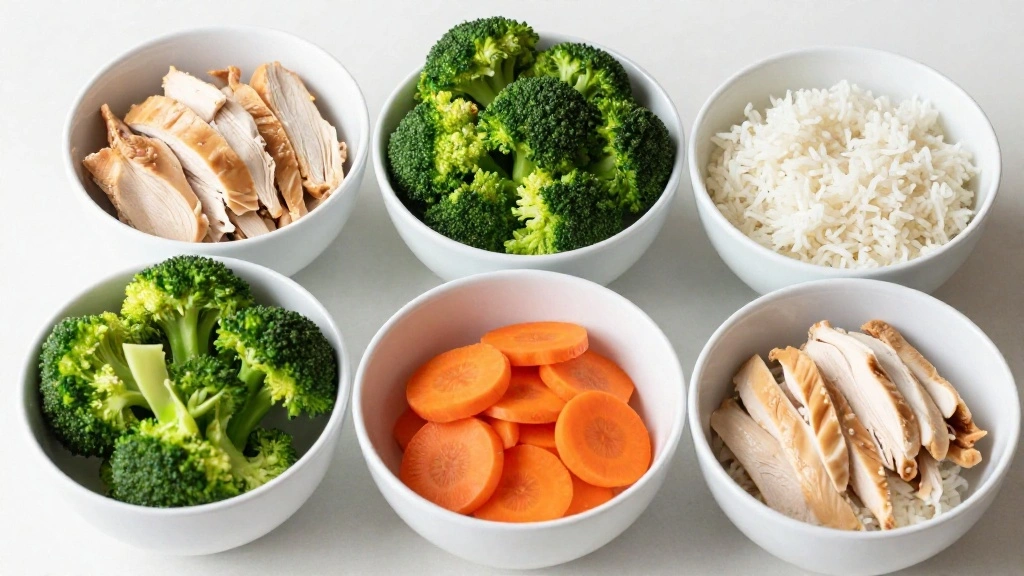
Gather all your ingredients and equipment.
Rinse the jasmine rice under cold water until the water runs clear.
Slice the chicken breast into thin strips and mince the garlic.
Thinly slice the carrot and separate the broccoli into small florets.
Step 2: Cook the Rice
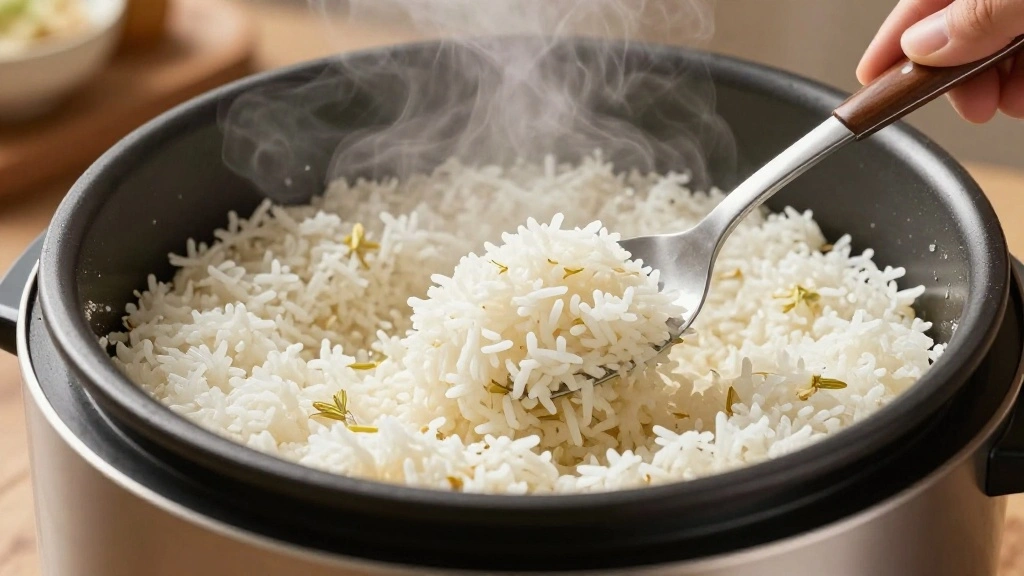
Add the rinsed jasmine rice and chicken broth to the rice cooker.
Set the rice cooker to the ‘cook’ setting.
Allow the rice to cook until it switches to ‘keep warm’.
Fluff the rice with a fork for a light texture.
Step 3: Marinate the Chicken
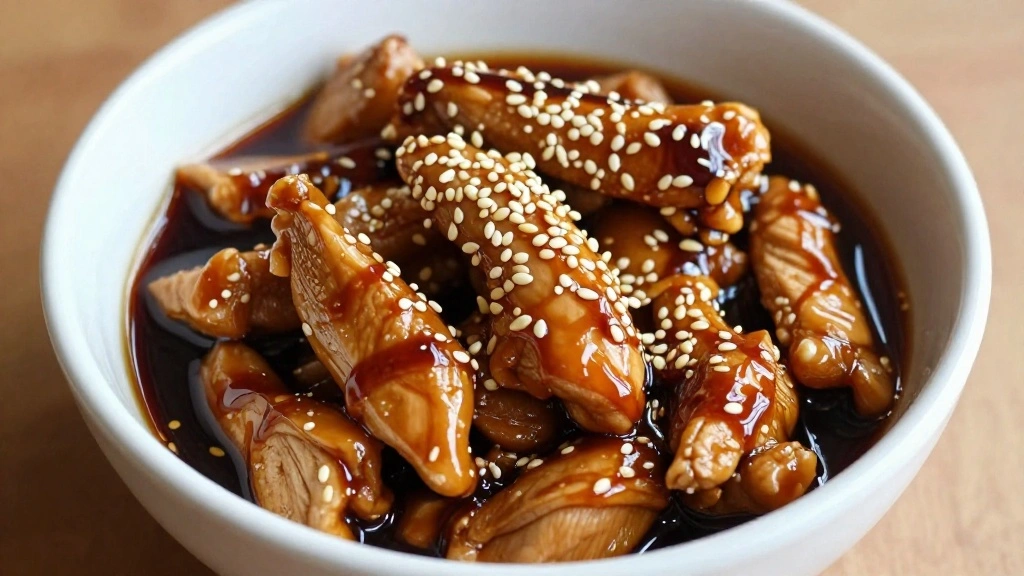
Place the chicken strips in a mixing bowl.
Add soy sauce, sesame oil, and minced garlic.
Toss to coat the chicken evenly with the marinade.
Allow the chicken to marinate for at least 15 minutes.
Step 4: Heat the Skillet
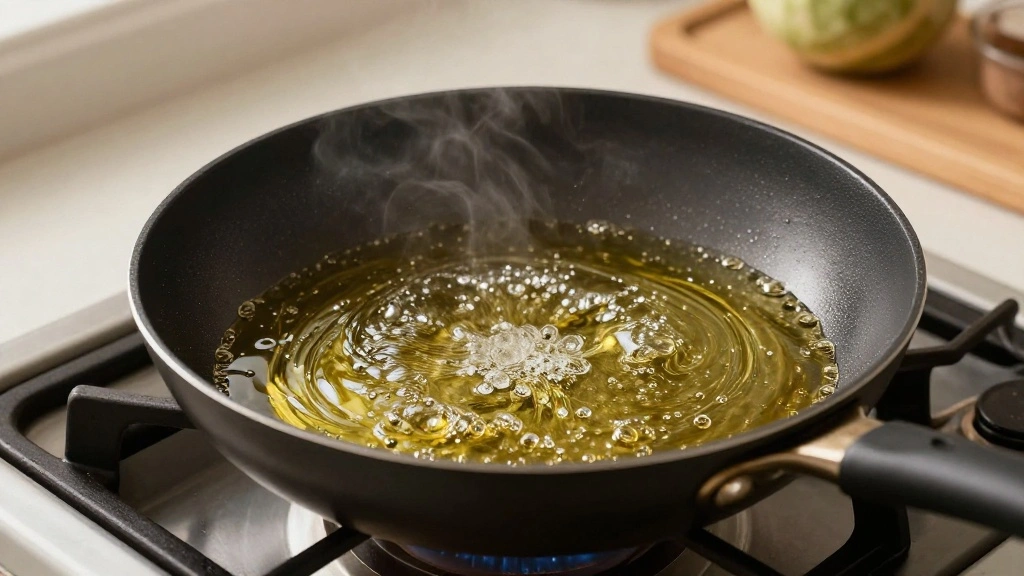
Place a non-stick skillet over medium-high heat.
Add a tablespoon of oil to the skillet.
Heat until the oil is shimmering and hot.
Ensure the skillet is evenly coated with oil.
Step 5: Cook the Chicken
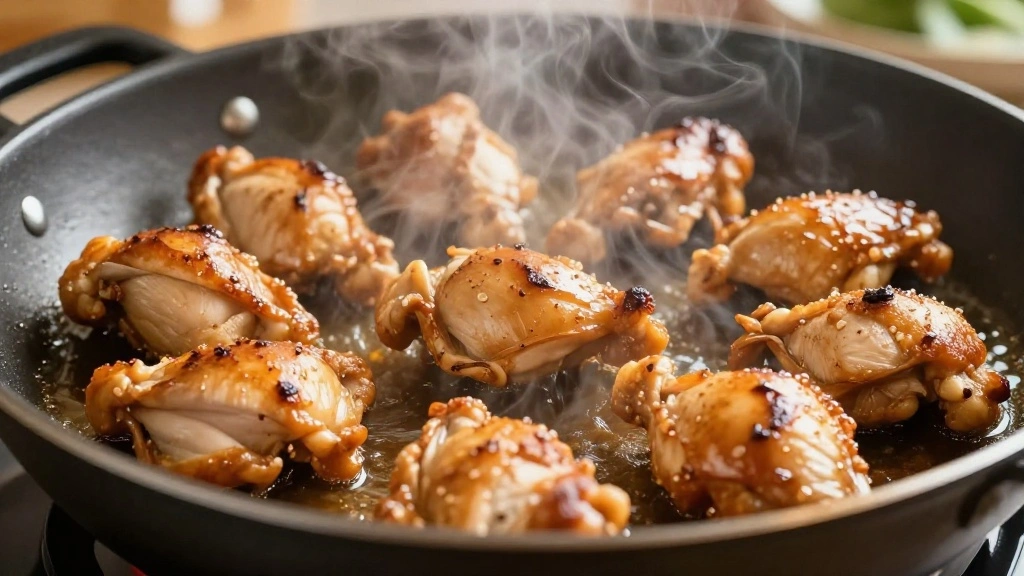
Add the marinated chicken to the hot skillet.
Spread the chicken strips in a single layer.
Cook for 3-4 minutes per side until golden brown.
Remove the chicken and set aside.
Step 6: Stir-Fry Vegetables
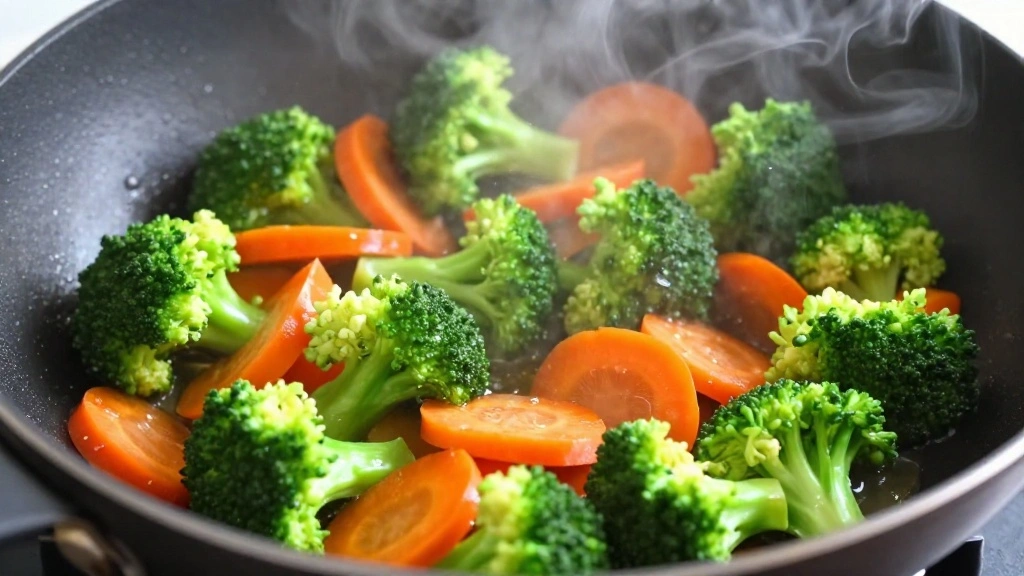
In the same skillet, add the sliced carrots and broccoli florets.
Stir-fry for 3-4 minutes until vegetables are tender-crisp.
Add a splash of water to steam the vegetables slightly.
Remove from heat once the broccoli is bright green.
Step 7: Assemble the Bowl
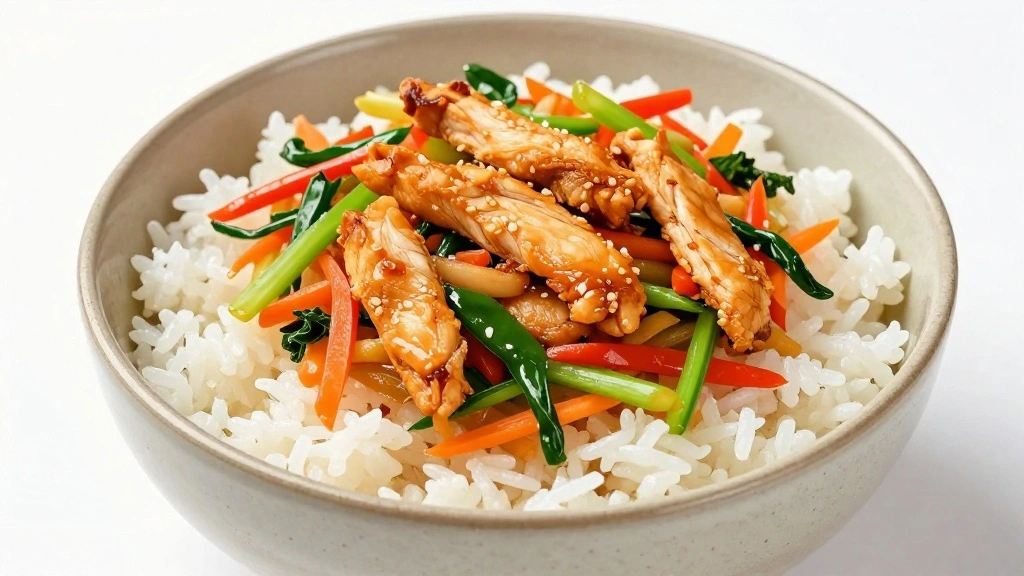
Spoon a generous portion of cooked rice into each bowl.
Arrange the stir-fried vegetables on top of the rice.
Place the cooked chicken strips evenly over the bowl.
Drizzle with any remaining pan juices.
Step 8: Serve and Enjoy
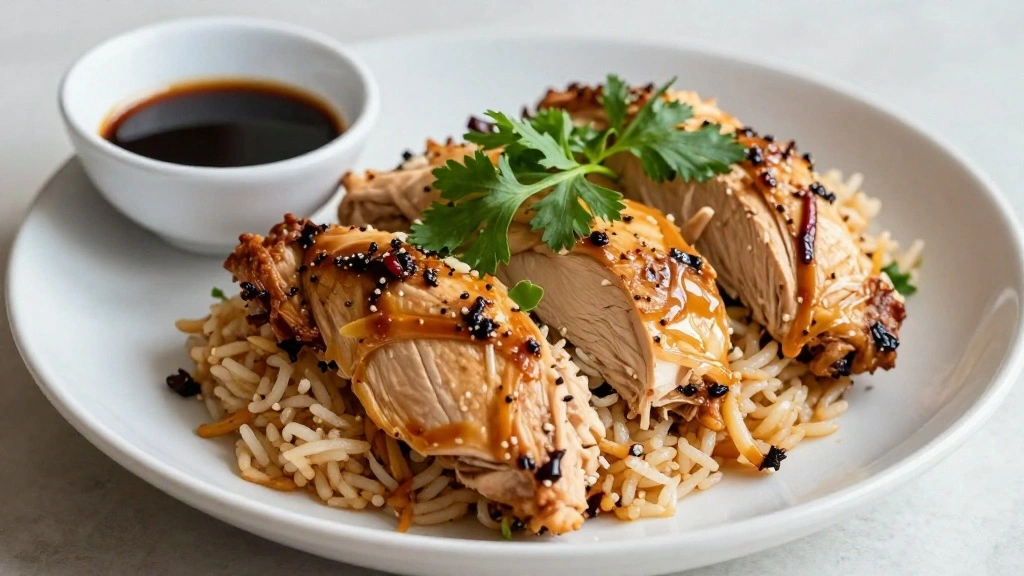
Garnish each bowl with fresh herbs like cilantro or green onions.
Serve immediately while hot.
Offer additional soy sauce for seasoning if desired.
Enjoy your effortless Chicken Rice Bowl.
Critical Timing and Temperature Guide
Cooking Rice: Cook rice for 15-20 minutes at a steady simmer, ensuring it absorbs all the broth without burning. Avoid lifting the lid too frequently to check.
Sautéing Chicken: Sauté chicken at medium-high heat for 3-4 minutes per side until golden and cooked through. Avoid overcrowding the pan to ensure even browning.
Stir-Frying Vegetables: Stir-fry vegetables on high heat for 3-4 minutes until tender-crisp. If vegetables start to burn, reduce heat slightly and add a splash of water.
Pro Tips for A Chicken Rice
• Ingredient Selection: Choose high-quality jasmine rice for its fragrant aroma and fluffy texture, which are integral to the dish’s success.
• Preparation Secret: Toasting the rice in a little oil before adding broth enhances its flavor and creates a nutty aroma.
• Temperature Management: Allow the chicken to come to room temperature before cooking to ensure even cooking throughout.
• Texture Enhancement: Quick steaming the vegetables in the skillet preserves their bright color and crisp texture.
• Flavor Layering: Use a combination of soy sauce and sesame oil in the marinade to build deep, savory layers of flavor.
• Make-Ahead Strategies: Prepare the chicken and rice a day in advance, storing them separately in airtight containers to maintain freshness.
• Restaurant-Quality Finishing Touches: Garnish with toasted sesame seeds and fresh herbs for an elegant presentation.
• Equipment Optimization: Preheat your skillet properly to ensure a quick sear on the chicken, maximizing flavor.
Troubleshooting Common Issues
• Rice Too Sticky: This can occur if the rice wasn’t rinsed thoroughly. Rinse until water is clear and ensure correct water-to-rice ratio.
• Chicken Too Dry: Overcooking can lead to dryness. Cook the chicken only until it reaches an internal temperature of 165°F (74°C).
• Vegetables Soggy: Overcrowding the pan can steam instead of stir-frying. Cook in batches if necessary.
• Lack of Flavor: Ensure the chicken is marinated long enough and use fresh spices for the best flavor.
• Unbalanced Seasoning: If the dish is too salty, add a squeeze of lime or lemon juice to balance flavors.
Variations and Regional Differences
• Hainanese Style: This version includes poached chicken and rice cooked with chicken fat, resulting in a richer flavor profile.
• Thai Variation: Often includes a spicy dipping sauce made from chilies, garlic, and lime juice, adding a zesty kick.
• Japanese Influence: Incorporates teriyaki sauce for a sweet and savory twist, often served with pickled vegetables.
• Indian Fusion: Features spiced chicken marinated in yogurt and spices, served with basmati rice and a side of raita.
Food Science Behind the Recipe
• Maillard Reaction: This chemical reaction occurs when chicken is seared, creating complex flavors and a golden-brown color.
• Starch Gelatinization: When cooking rice, water and heat break down starches, leading to the desired fluffy texture.
• Emulsification: The combination of soy sauce and sesame oil in the marinade helps emulsify flavors, allowing them to penetrate the chicken.
Frequently Asked Questions
What’s the most common mistake people make when preparing Chicken Rice? Overcooking the chicken, which can lead to dryness. Monitoring internal temperature is key.
Can I use brown rice instead of jasmine rice? Yes, but adjust the cooking time and liquid ratio as brown rice requires longer to cook.
What can I substitute for chicken broth? Vegetable broth or water with a bouillon cube can be used as alternatives.
How do I store leftovers? Store in an airtight container in the refrigerator for up to 3 days. Reheat thoroughly before serving.
Can I freeze this dish? Yes, but the texture of the rice may change slightly. Freeze in portioned containers for up to 1 month.
Is it possible to make this dish vegetarian? Substitute tofu for chicken and vegetable broth for chicken broth.
What side dishes go well with Chicken Rice? Light salads, pickled vegetables, or a simple soup complement the flavors well.
Serving and Presentation Guide
• Traditional Presentation: Serve in a deep bowl with rice at the bottom, topped with chicken and vegetables, garnished with fresh herbs.
• Modern Plating: Use a large, flat plate with rice molded into a neat dome, surrounded by chicken and vegetables for visual appeal.
• Family Style: Present components separately on a large platter, allowing guests to assemble their own bowls.
• Individual Portions: Serve in smaller bowls or bento boxes for a portable and convenient presentation.
Conclusion
This Chicken Rice Bowl recipe offers a perfect balance of simplicity and flavor, making it a standout for any meal.
With straightforward preparation and versatile ingredients, it’s a dish you can easily make your own.
Give this recipe a try and enjoy the effortless satisfaction it brings to your table.