


This Easy Garlic Butter Pasta Is Perfect for a No-Stress Lunch
8 oz spaghetti
4 tbsp unsalted butter
4 cloves garlic
1 tsp olive oil
1/2 tsp salt
1/4 tsp black pepper
2 tbsp parsley
PT25M
4 servings
There’s something undeniably comforting about a dish that brings together the richness of garlic and butter with the simplicity of pasta.
This Easy Garlic Butter Pasta is the perfect no-stress lunch that hits all the right notes with minimal effort.
Its creamy, garlicky goodness is balanced by the subtle bite of al dente pasta, creating a meal that’s as satisfying as it is simple.
Whether you’re working from home or taking a break from a busy day, this dish offers a delicious escape without the need for elaborate preparation.
It’s a testament to how a few quality ingredients can transform into something truly delightful.
Prepare to enjoy a meal that feels luxurious, yet is wonderfully accessible to make.
The History and Cultural Significance
• This Easy Garlic Butter Pasta traces its origins to Italy, where it was originally created by home cooks looking to make the most of simple pantry staples.
• The dish evolved over decades as variations emerged, incorporating regional ingredients and techniques, eventually becoming the beloved version we know today.
• In Italian culture, this dish traditionally appears at casual family gatherings, symbolizing the art of simple yet flavorful cooking.
• While many variations exist across different regions, the authentic version maintains the key characteristic of using fresh garlic and high-quality butter that sets it apart from imitations.
Recipe Overview
Nutritional Information (per serving)
Essential Equipment Guide
Large Pot: A large pot is essential for boiling pasta evenly and preventing sticking. Alternatives include a Dutch oven or a deep skillet. Look for pots with heavy bottoms for even heat distribution.
Colander: This tool is important for draining pasta efficiently without losing any to the sink. A fine-mesh strainer can work as an alternative. Choose a colander with sturdy handles for easy handling.
Saute Pan: A saute pan is crucial for melting butter and infusing it with garlic without burning. A regular frying pan can be used if necessary. Opt for a pan with a non-stick surface to facilitate easy cooking and cleanup.
Ingredients
For the Base
| Amount | Ingredient | Notes |
|---|---|---|
| 8 oz | spaghetti | cooked al dente |
For the Sauce
| Amount | Ingredient | Notes |
|---|---|---|
| 4 tbsp | unsalted butter | adds richness |
| 4 cloves | garlic | minced, for flavor |
| 1 tsp | olive oil | enhances garlic aroma |
Seasonings
| Amount | Ingredient | Notes |
|---|---|---|
| 1/2 tsp | salt | to taste |
| 1/4 tsp | black pepper | freshly ground, for subtle heat |
| 2 tbsp | parsley | chopped, for garnish |
Preparation Methods
Boiling Pasta: The key to perfect pasta is boiling it in salted water until it’s al dente, meaning it should be firm to the bite. This texture is ideal because it will continue to absorb flavors from the sauce. To master this, taste the pasta a minute before the package instructions say it’s done.
Infusing Oil: Infusing oil with garlic involves gently heating sliced or minced garlic in olive oil until fragrant but not browned. This step is important to release the garlic’s flavor without turning it bitter. Keep the heat low and watch closely to avoid overcooking.
Tossing Pasta: Tossing pasta in the sauce ensures each strand is coated evenly. Use a gentle folding motion to mix the pasta and sauce, allowing the flavors to meld without breaking the pasta. A large fork or tongs can be particularly helpful for this technique.
Step 1: Gather Ingredients
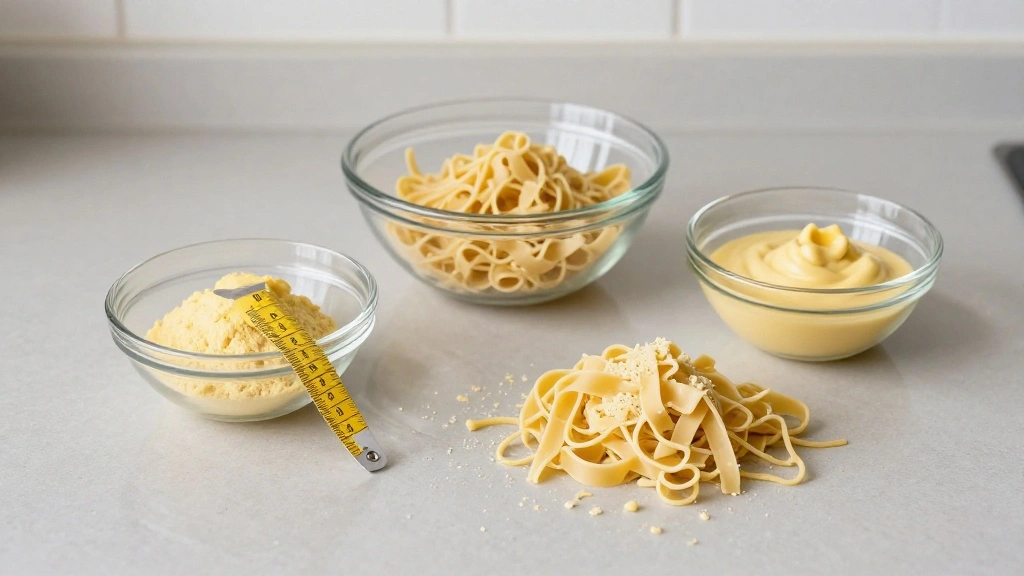
Begin by gathering all the ingredients listed.
Ensure the garlic is peeled and minced, and the parsley is chopped.
Measure out the butter, olive oil, and seasonings.
Having everything ready will make cooking more efficient.
Step 2: Boil Pasta
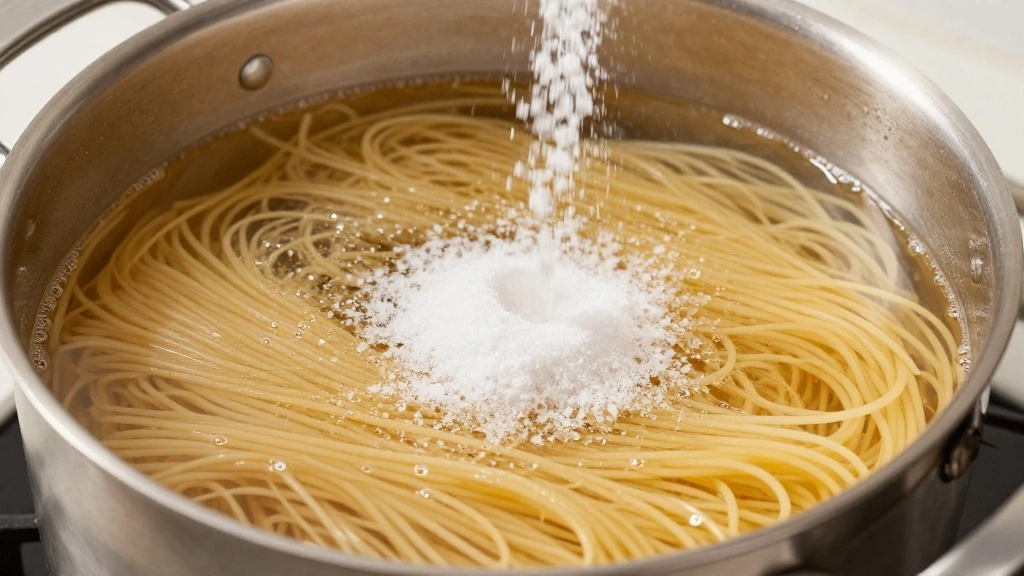
Fill a large pot with water and bring it to a boil.
Add a generous amount of salt to the boiling water.
Cook the spaghetti according to the package instructions until al dente.
Drain the pasta in a colander and set aside.
Step 3: Heat Oil
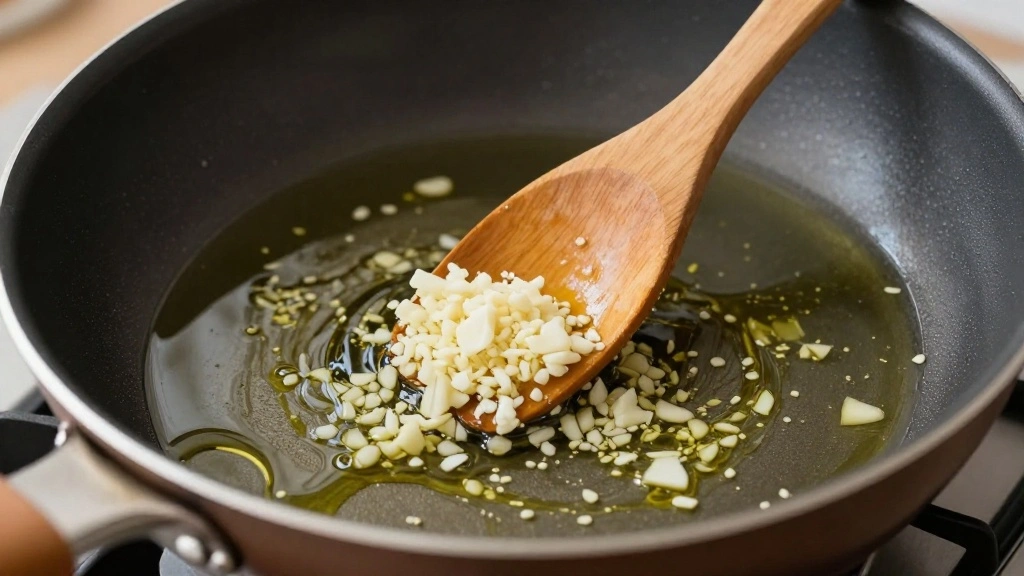
In a saute pan, heat olive oil over medium heat.
Add minced garlic to the pan and stir gently.
Cook until the garlic is fragrant but not browned.
This should take about 1-2 minutes.
Step 4: Melt Butter
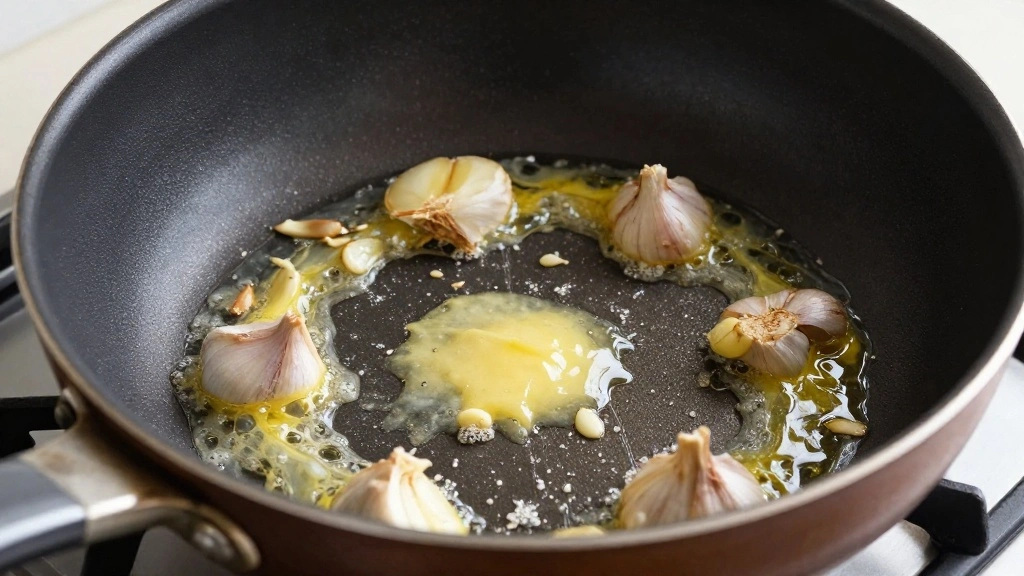
Add the unsalted butter to the pan with the garlic.
Stir continuously to melt the butter evenly.
Ensure the heat is low to prevent the butter from burning.
The mixture should be smooth and aromatic.
Step 5: Combine Pasta and Sauce
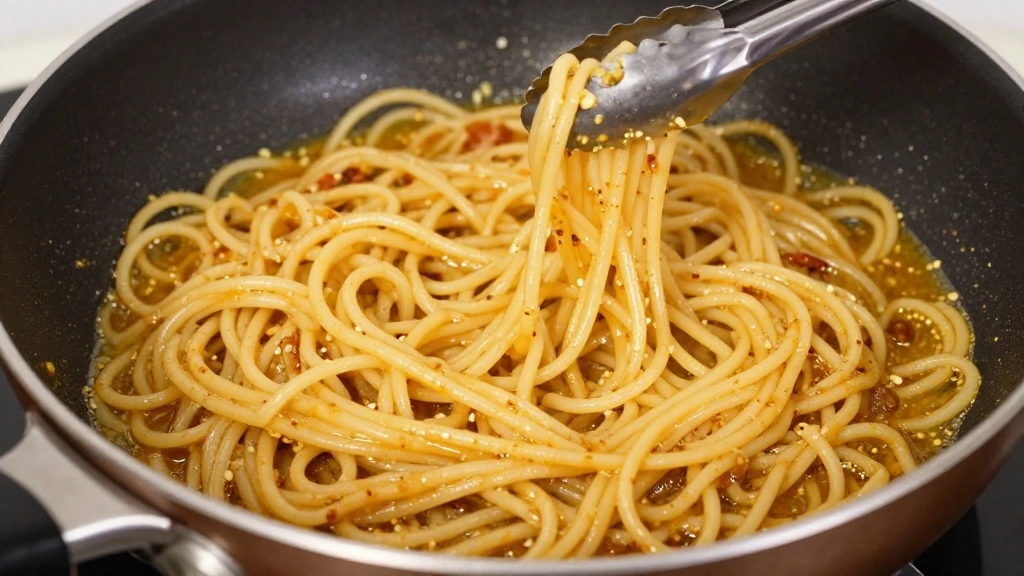
Add the cooked pasta to the pan with the garlic butter sauce.
Use tongs to toss the pasta gently, coating it thoroughly with the sauce.
Continue tossing until the pasta is evenly coated.
Make sure the pasta is well-mixed with the sauce.
Step 6: Season the Pasta
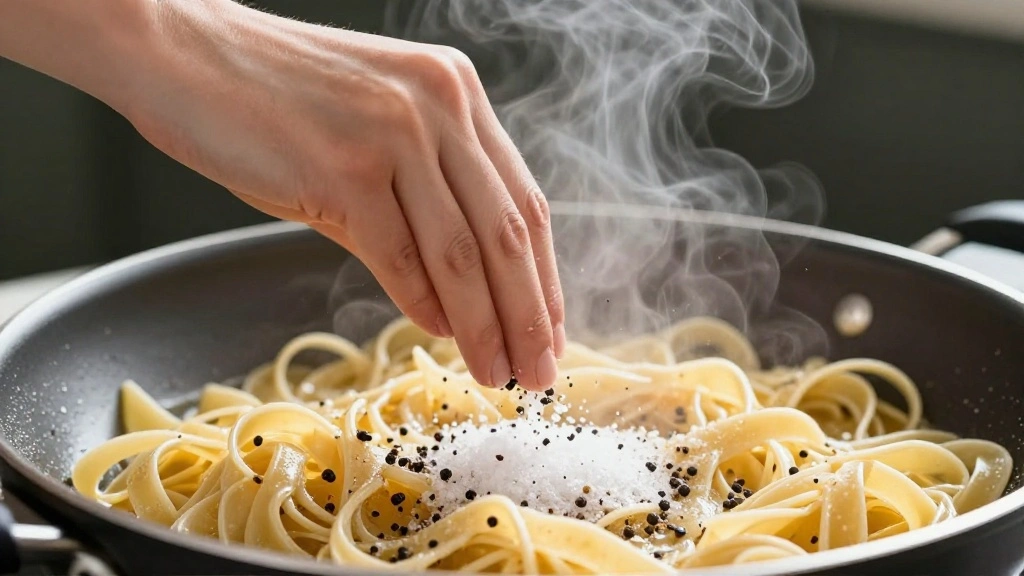
Sprinkle salt and freshly ground black pepper over the pasta.
Toss again to distribute the seasonings evenly.
Taste and adjust the seasoning if necessary.
Ensure the flavors are balanced to your liking.
Step 7: Garnish with Parsley
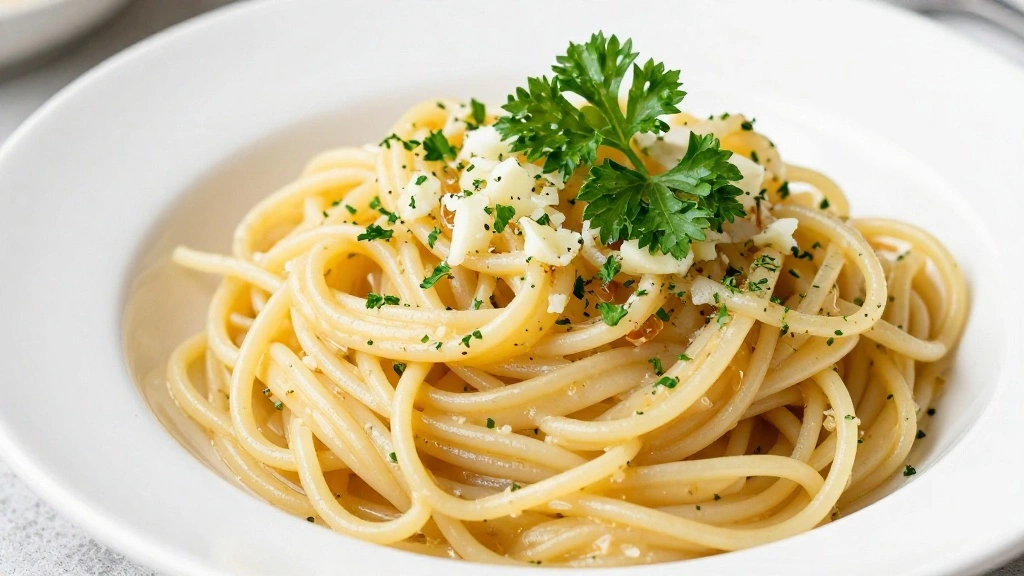
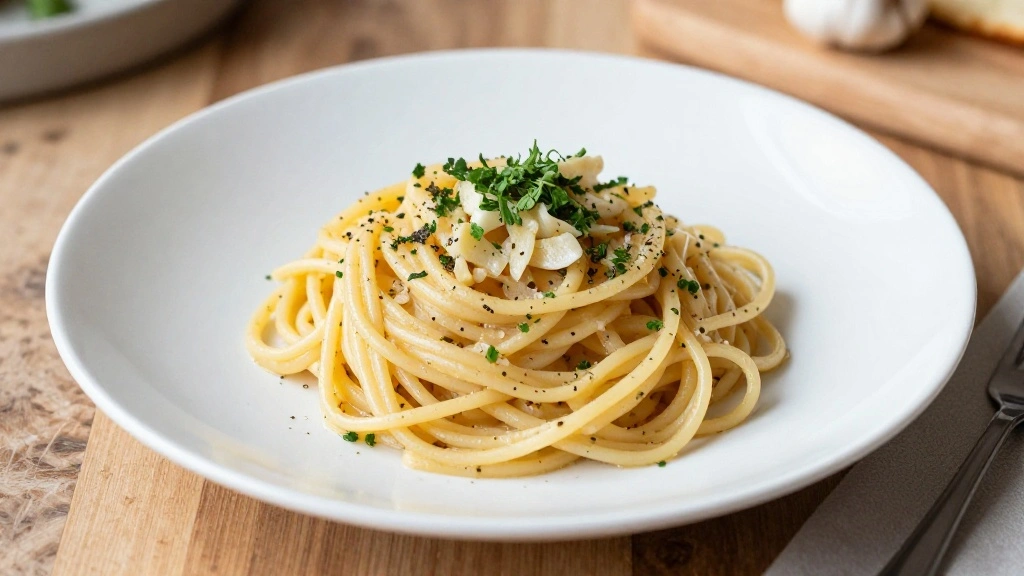
Transfer the pasta to serving dishes.
Sprinkle chopped parsley over the top for a fresh touch.
Make sure each serving has a generous amount of garnish.
The parsley adds a pop of color and freshness.
Step 8: Serve Immediately
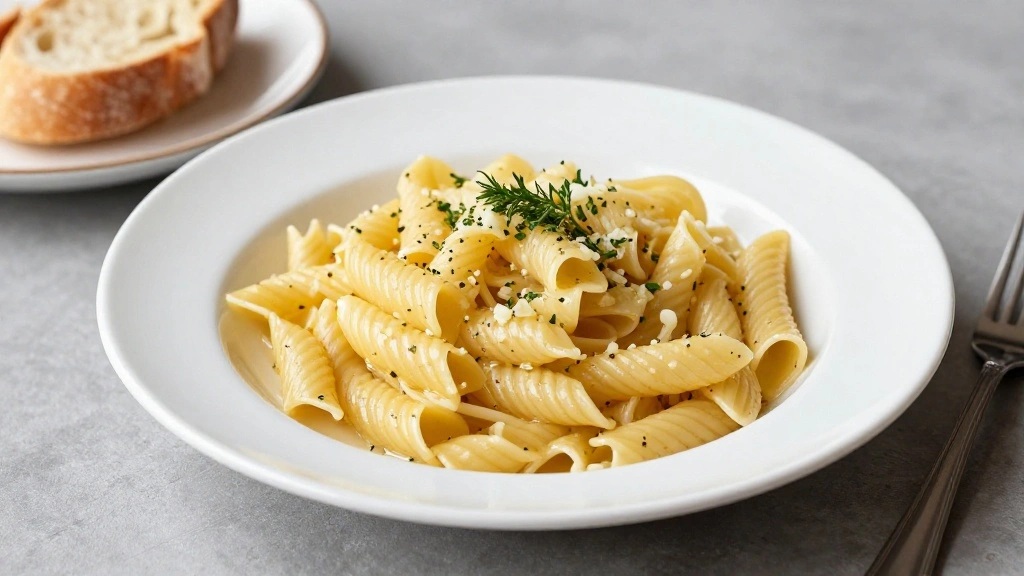
Serve the pasta immediately while it’s hot.
Pair it with crusty bread or a side salad if desired.
Enjoy the dish as a quick and satisfying lunch.
Savor the flavors of the garlic and butter-infused pasta.
Critical Timing and Temperature Guide
Boiling Pasta: Boil pasta for exactly 8-10 minutes, checking for al dente texture by tasting. Avoid overcooking, which leads to mushy pasta.
Infusing Garlic: Heat oil and garlic for 1-2 minutes at medium-low heat until fragrant. Do not allow garlic to brown, as this can cause bitterness.
Melting Butter: Melt butter at low heat to prevent separation or burning. Look for a smooth, golden sauce with a rich aroma.
Pro Tips for This Easy Garlic
• Ingredient Selection: Use high-quality, fresh garlic and unsalted butter for the best flavor impact. These ingredients are the stars of the dish.
• Preparation Secret: Toast the garlic slightly before adding butter to deepen the flavor profile without burning.
• Temperature Management: Let cooked pasta cool slightly before adding it to the sauce to prevent over-absorption and sogginess.
• Texture Enhancement: Reserve a bit of pasta water to add to the sauce for a silkier texture.
• Flavor Layering: Add a pinch of red pepper flakes while infusing garlic for a subtle kick that enhances the overall flavor.
• Make-Ahead Strategies: Cook the pasta ahead and store it with a little olive oil to prevent sticking, then reheat in the sauce.
• Restaurant-Quality Finishing Touches: Finish with a drizzle of high-quality olive oil or a sprinkle of Parmesan cheese for added richness.
• Equipment Optimization: Use a large saute pan to ensure even distribution of the sauce and pasta without overcrowding.
Troubleshooting Common Issues
• Texture Too Dense: This occurs when pasta is overcooked or under-sauced. Ensure pasta is al dente and add reserved pasta water to the sauce.
• Flavors Unbalanced: If garlic is too strong, reduce quantity or use a milder type. If too bland, increase salt and pepper or add lemon zest.
• Butter Separating: Happens when butter is overheated. Keep heat low and stir constantly while melting.
• Sticky Pasta: Often caused by not enough water or stirring. Use plenty of water and stir occasionally during cooking.
• Sauce Too Thin: This can occur if too much pasta water is added. Allow the sauce to reduce slightly by simmering lightly.
• Burnt Garlic: Results from high heat. Maintain a low flame and remove garlic from heat as soon as it becomes fragrant.
Variations and Regional Differences
• Italian Variation: Often includes red pepper flakes and Parmesan cheese, adding a spicy kick and umami depth.
• French Style: Incorporates cream into the sauce for a richer, more decadent version.
• Asian Influence: Adds soy sauce and sesame oil for an umami-rich, nutty twist.
• American Twist: Includes cooked shrimp or chicken for added protein and a more substantial meal.
Food Science Behind the Recipe
• Emulsification: The process of combining butter and pasta water creates a creamy sauce that clings to pasta effectively.
• Maillard Reaction: Toasting garlic gently enhances flavor through this browning process without burning.
• Starch Release: Starch from pasta water helps thicken the sauce naturally, creating a cohesive texture.
Frequently Asked Questions
What’s the most common mistake people make when preparing Garlic Butter Pasta? Overcooking the pasta is a frequent error. Always aim for al dente texture.
Can I use pre-minced garlic? Fresh garlic is recommended for the best flavor, though pre-minced can be used in a pinch.
Is it necessary to use unsalted butter? Unsalted butter allows for better control of the dish’s overall seasoning.
How can I make this dish vegan? Substitute butter with vegan margarine and ensure pasta is egg-free.
Can I add vegetables to this pasta? Yes, vegetables like spinach or cherry tomatoes make excellent additions.
What type of pasta works best? Long pasta like spaghetti or linguine is ideal for this recipe.
How should leftovers be stored? Store in an airtight container in the fridge for up to 3 days; reheat gently in a pan.
Serving and Presentation Guide
• Traditional Presentation: Serve in a shallow bowl with a sprinkle of parsley and a few whole garlic cloves for garnish.
• Family Style: Present in a large serving platter with tongs for easy sharing at the table.
• Plated Elegance: Twirl pasta into a neat nest on each plate, topped with finely grated Parmesan.
• Casual Dining: Pair with a small side salad and crusty bread for a complete meal.
Conclusion
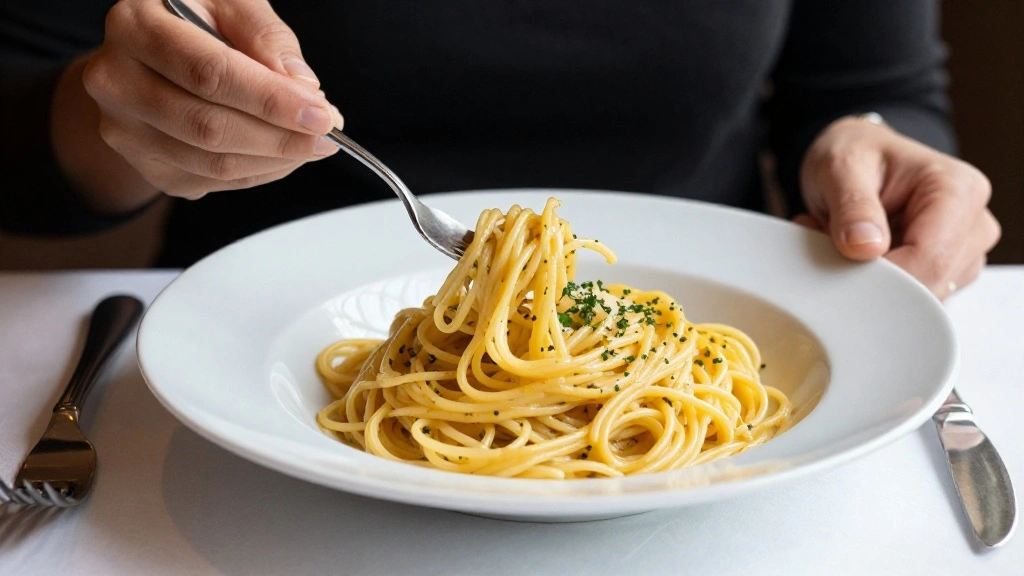
This Easy Garlic Butter Pasta is a testament to the beauty of simplicity in cooking.
With just a few ingredients and minimal effort, you can create a dish that is both comforting and impressive.
I encourage you to give this recipe a try and experience its delightful flavors firsthand.
Whether for a quick lunch or a leisurely meal, it’s sure to become a favorite in your home.