


This classic Baked Eggplant Parmesan brings together centuries of culinary tradition with modern techniques to create a dish that’s both comforting and elegant.
The harmonious balance of crispy, golden-brown eggplant slices layered with rich tomato sauce and gooey cheese creates a memorable dining experience that will have everyone asking for your secret.
I discovered this recipe during my travels through Italy, where local chefs have perfected it through generations of careful refinement.
Whether you’re preparing a casual family dinner or hosting a special celebration, this Baked Eggplant Parmesan delivers impressive results with straightforward preparation.
The History and Cultural Significance
• Baked Eggplant Parmesan traces its origins to Southern Italy, where it was originally created by local farmers utilizing abundant eggplants and homemade cheese.
• The dish evolved over decades as cooking techniques became more refined and tomatoes were introduced, eventually becoming the beloved version we know today.
• In Italian culture, this dish traditionally appears at family gatherings and special occasions, symbolizing comfort and togetherness.
• While many variations exist across different regions, the authentic version maintains a crispy eggplant crust that sets it apart from imitations.
Recipe Overview
Nutritional Information (per serving)
Essential Equipment Guide
Baking Sheet: A high-quality baking sheet is essential for achieving a perfectly crispy eggplant. Look for one with a non-stick surface or use parchment paper to prevent sticking.
Sharp Knife: A sharp knife ensures clean and even slices of eggplant, which is crucial for consistent cooking. Alternatives include a mandoline slicer for uniform thickness.
Oven: An accurate oven is key to achieving the ideal texture and doneness. Consider using an oven thermometer to ensure the correct temperature throughout the cooking process.
Ingredients
For the Base
| Amount | Ingredient | Notes |
|---|---|---|
| 2 medium | eggplants | sliced into 1/4-inch rounds |
| 1 cup | breadcrumbs | adds crunch and texture |
For the Sauce
| Amount | Ingredient | Notes |
|---|---|---|
| 2 cups | tomato sauce | rich and tangy |
| 1 teaspoon | dried oregano | adds depth of flavor |
Cheese Layer
| Amount | Ingredient | Notes |
|---|---|---|
| 1 cup | mozzarella cheese | shredded, for melting |
| 1/2 cup | parmesan cheese | grated, for richness |
Seasonings
| Amount | Ingredient | Notes |
|---|---|---|
| 1 teaspoon | salt | enhances overall flavor |
| 1/2 teaspoon | black pepper | adds a touch of heat |
Preparation Methods
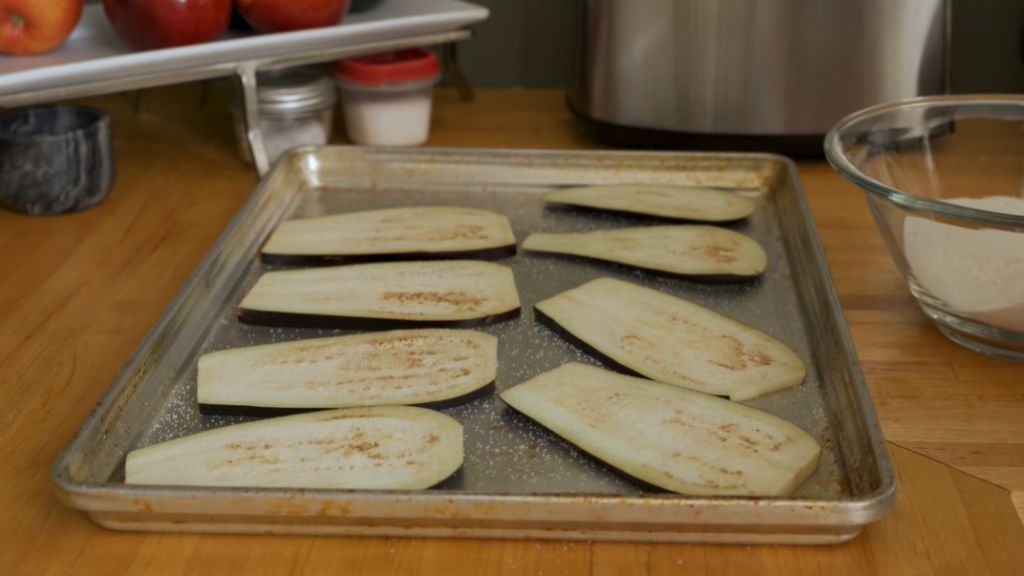
Salting Eggplant: Salting the eggplant before cooking helps to remove excess moisture and bitterness. Lay slices on a paper towel, sprinkle with salt, and let sit for 20 minutes before patting dry.
Breading Technique: To achieve a crisp exterior, dip each eggplant slice in flour, then beaten eggs, and finally in breadcrumbs. This triple-coating process ensures a satisfying crunch.
Layering: Proper layering of eggplant, sauce, and cheese is crucial for even cooking and flavor distribution. Start with a thin layer of sauce, followed by eggplant, more sauce, and cheese, repeating until all ingredients are used.
Step 1: Prepare the Eggplant
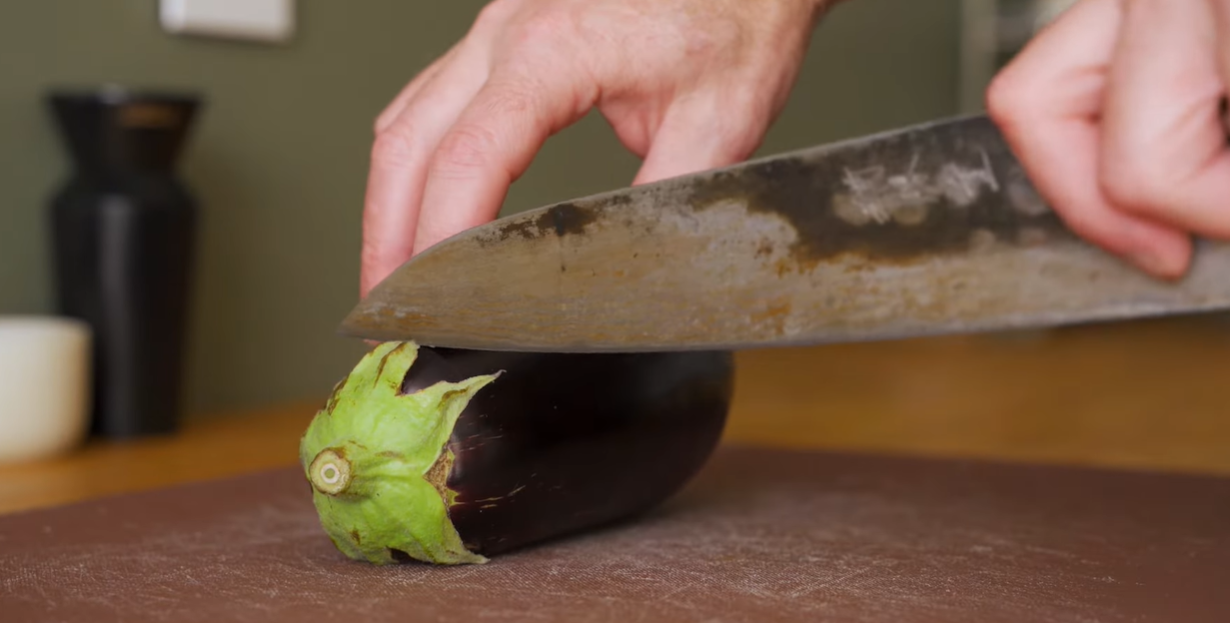
Slice the eggplants into 1/4-inch rounds.
Lay the slices on paper towels and sprinkle with salt.
Let the eggplant sit for 20 minutes to release moisture.
Pat the slices dry with more paper towels to remove excess salt.
Step 2: Preheat Oven
Preheat your oven to 400°F (200°C).
Ensure the oven rack is in the middle position for even baking.
Use an oven thermometer to verify the temperature.
Prepare a baking sheet with parchment paper for easy cleanup.
Step 3: Bread the Eggplant
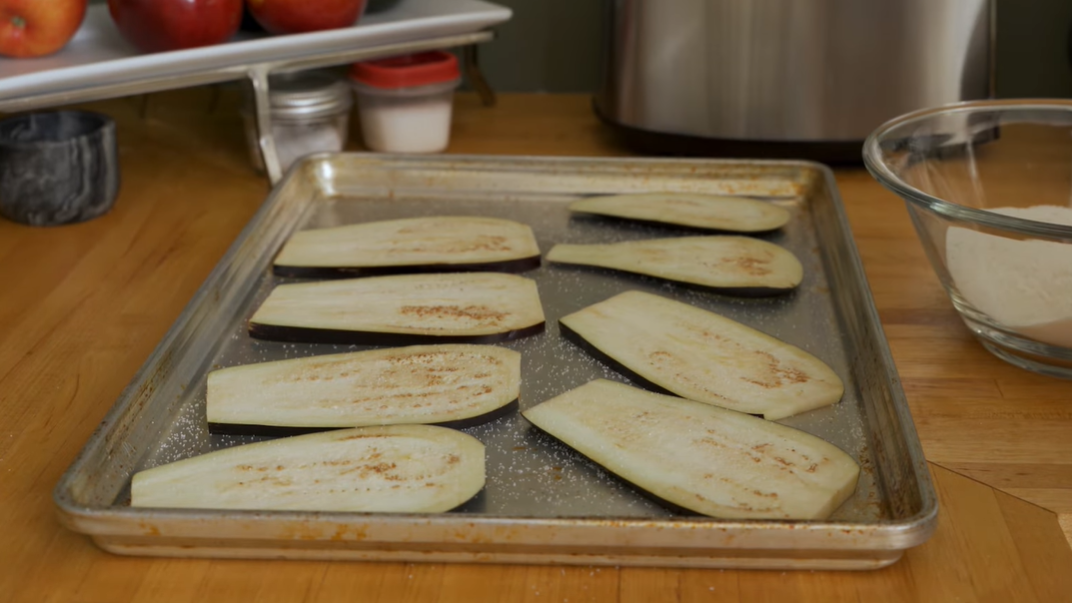
Set up a breading station with flour, beaten eggs, and breadcrumbs.
Dip each eggplant slice first in flour, then eggs, then breadcrumbs.
Ensure each slice is fully coated for maximum crispiness.
Place breaded slices on the prepared baking sheet.
Step 4: Bake the Eggplant Slices
Place the baking sheet in the preheated oven.
Bake for 20 minutes, flipping slices halfway through for even browning.
Remove from oven when slices are golden brown and crispy.
Let cool slightly before handling.
Step 5: Prepare the Sauce
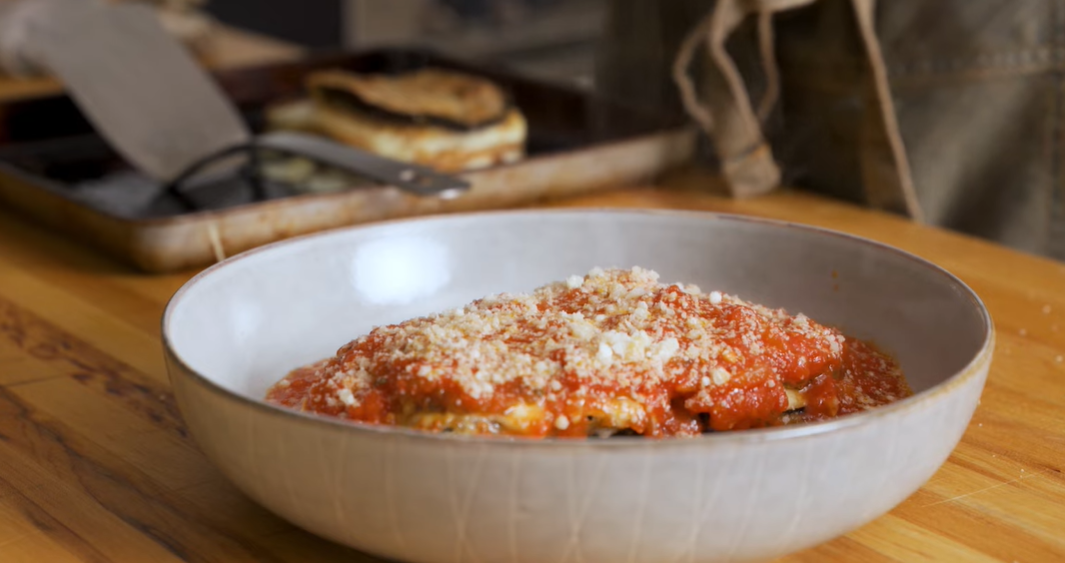
In a saucepan, heat the tomato sauce over medium heat.
Add dried oregano and stir to combine.
Simmer for 10 minutes to blend flavors.
Adjust seasoning with salt and pepper if needed.
Step 6: Assemble the Dish
In a baking dish, spread a thin layer of tomato sauce.
Layer with baked eggplant slices, more sauce, and cheeses.
Repeat layers until all ingredients are used, ending with cheese.
Ensure even distribution of ingredients for balanced flavor.
Step 7: Bake the Assembled Dish
Cover the dish with foil and bake in the oven at 375°F (190°C).
Bake for 25 minutes, removing foil halfway to brown the cheese.
Cheese should be bubbly and golden when done.
Let cool for a few minutes before serving.
Step 8: Serve and Garnish
Carefully remove the dish from the oven.
Let it cool for a few minutes to set.
Slice portions and serve with fresh basil garnish.
Pair with a simple side salad for a complete meal.
Critical Timing and Temperature Guide
Salting Eggplant: Allow 20 minutes for salting to draw out moisture; be sure to pat dry thoroughly to prevent sogginess.
Baking Slices: Bake eggplant at 400°F for 20 minutes, flipping halfway for even browning; avoid undercooking, which leads to a limp texture.
Baking Assembled Dish: Bake covered at 375°F for 25 minutes, then uncover to brown the cheese; watch for bubbling and golden cheese as indicators of doneness.
Pro Tips for How to Prepare
• Ingredient Selection: Choose firm, glossy eggplants with no blemishes to ensure fresh flavor and texture.
• Preparation Secret: Let the breaded eggplant rest for a few minutes before baking to allow the coating to adhere better.
• Temperature Management: Ensure the oven is fully preheated to maintain consistent cooking temperatures, preventing soggy or unevenly cooked layers.
• Texture Enhancement: Use a mixture of panko breadcrumbs for extra crispiness in the coating.
• Flavor Layering: Layer with fresh basil leaves between slices for an aromatic boost.
• Make-Ahead Strategies: Prepare and bread the eggplant slices in advance, storing in the fridge for up to 24 hours before baking.
• Restaurant-Quality Finishing Touches: Drizzle with a high-quality olive oil before serving for a rich finish.
• Equipment Optimization: Use a convection setting if available to circulate heat more evenly around the eggplant slices.
Troubleshooting Common Issues
• Eggplant Slices Too Soggy: Caused by not salting or drying the eggplant enough; use paper towels to thoroughly pat dry before breading.
• Uneven Browning: Often due to uneven oven temperatures; rotate the baking sheet halfway through cooking.
• Bland Flavor: Results from lack of seasoning; ensure each layer is properly seasoned, especially the sauce.
• Cheese Not Melting: Caused by using pre-shredded cheese with anti-caking agents; shred your own cheese for better melting.
• Eggplant Falling Apart: Occurs if slices are too thin; aim for consistent 1/4-inch slices for stability.
• Breaded Coating Falling Off: Caused by not letting the breaded slices rest; allow a brief rest period before baking to help the coating adhere.
Variations and Regional Differences
• Neapolitan Variation: Uses thicker slices of eggplant and a richer, meat-based tomato sauce, reflecting the heartier cuisine of Naples.
• Sicilian Style: Often includes additional vegetables like zucchini and mushrooms, and uses ricotta cheese alongside mozzarella.
• American Adaptation: Incorporates more cheese and often includes a breadcrumb and cheese topping for a gratin-like crust.
• Vegan Version: Cheese is replaced with nutritional yeast or cashew cheese, maintaining flavor while being plant-based.
Food Science Behind the Recipe
• Crispy Coating Principle: The Maillard reaction occurs during baking, where the breadcrumbs brown and create a crispy texture, essential for the dish's signature crunch.
• Moisture Management: Salting the eggplant draws out moisture through osmosis, preventing the final dish from becoming watery and ensuring a firm texture.
• Flavor Infusion: Simmering the tomato sauce allows volatile compounds to develop, enhancing the depth of flavor through evaporation and concentration.
Frequently Asked Questions
What's the most common mistake people make when preparing Baked Eggplant Parmesan? The most common mistake is not properly salting and drying the eggplant, leading to a soggy texture.
Can I use a different type of cheese? Yes, while mozzarella and parmesan are traditional, you can experiment with other cheeses like provolone or gouda for different flavors.
How can I make this dish gluten-free? Use gluten-free breadcrumbs and ensure all other ingredients are certified gluten-free.
What can I pair with Baked Eggplant Parmesan? A light green salad or garlic bread pairs well, balancing the rich flavors of the dish.
How do I store leftovers? Store leftovers in an airtight container in the refrigerator for up to 3 days.
Can I freeze Baked Eggplant Parmesan? Yes, it can be frozen before or after baking, but be aware that the texture may change slightly.
What if my sauce is too watery? Simmer it longer to reduce, or add a tablespoon of tomato paste to thicken.
Serving and Presentation Guide
• Traditional Presentation: Serve in a rustic ceramic dish, topped with fresh basil and a drizzle of olive oil.
• Modern Plating: Use a ring mold to stack layers neatly, garnished with microgreens and a balsamic reduction drizzle.
• Family Style: Serve in the baking dish directly from the oven, inviting guests to help themselves.
• Individual Portions: Prepare in ramekins for personalized servings, ideal for dinner parties.
Conclusion
With its crispy layers and rich flavors, Baked Eggplant Parmesan is a timeless dish that offers both comfort and sophistication.
This recipe provides a perfect balance of taste and texture, making it a favorite for any occasion.
Try your hand at this culinary classic, and enjoy the heartfelt satisfaction it brings to your table.