


A pork tenderloin costs about nine dollars, weighs barely a pound, and vanishes fast if you mishandle it. You’ll learn to protect this investment by mastering heat zones, timing, and temperature.
The method works. The results surprise you. You get juicy, rosy-centered meat that beats most restaurant versions, and you spend less than twenty minutes at the grill.
But the real test isn’t just following steps. It’s understanding why indirect heat saves you from dry, gray disappointment, and why resting beats slicing too soon.
There’s a catch you need to know before you light those coals.
Set Up Two-Zone Heat for Lean Pork Tenderloin
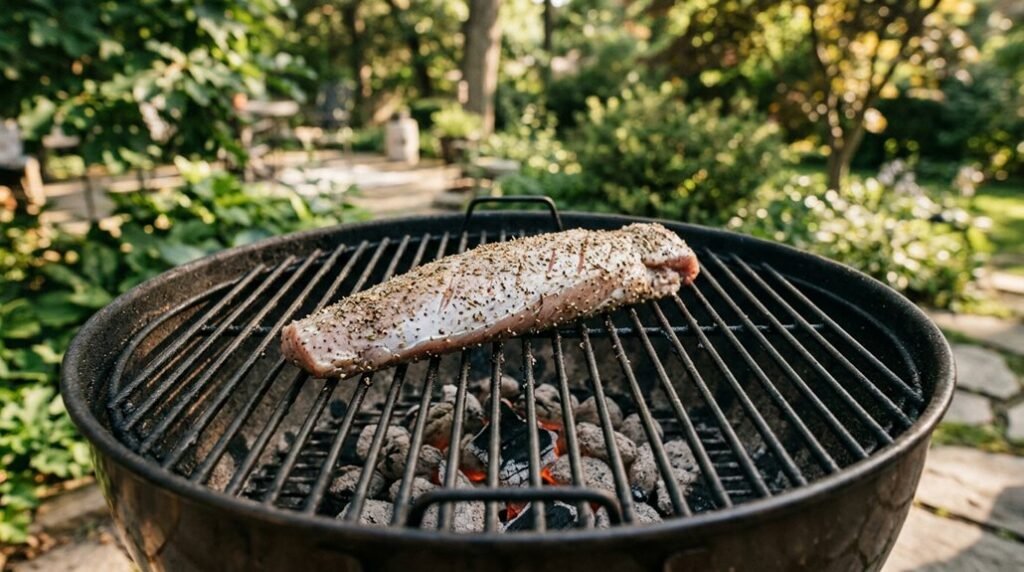
Because pork tenderloin is so lean, it’ll dry out fast if you blast it with direct heat the whole time, and that’s where two-zone cooking saves the day. Set up your two-zone grill by piling most of your hot coals on one side of the charcoal grill, leaving the other side completely empty for indirect heat. This setup’s brilliant: you’re building a safety zone so you won’t incinerate dinner.
Preheat with the lid closed until the hot side hits 450–500°F; that’s your green light. Sear the pork on the direct heat side first, turning to brown all sides. When you’ve got color, slide it to indirect heat, cover, and let gentle heat finish the job. You’re aiming for the thickest part to hit 145°F on your thermometer.
Don’t skip the resting time; those juices need to settle.
Recommended Products

Original Patented Two-Zone Cooking - From 225°F to 1000°F - The Slow 'N Sear is a patented charcoal basket insert for 22" kettle grills. Its patented curved design and radiant heat barrier create a true two-zone cooking system — a dedicated indirect smoke zone that holds 225–250°F for low-and-slow BBQ, and a direct sear zone that reaches 500–1000°F+ for high-heat searing. Smoke brisket low and slow, then remove the water reservoir and crank the heat to sear.

Precision Two-Zone Cooking System for Kettle Grills: Transforms your kettle grill into a professional two-zone cooker — direct high-heat searing on one side and indirect low-and-slow smoking on the other. Perfect for steaks, brisket, pork butt, ribs, chicken, and more.
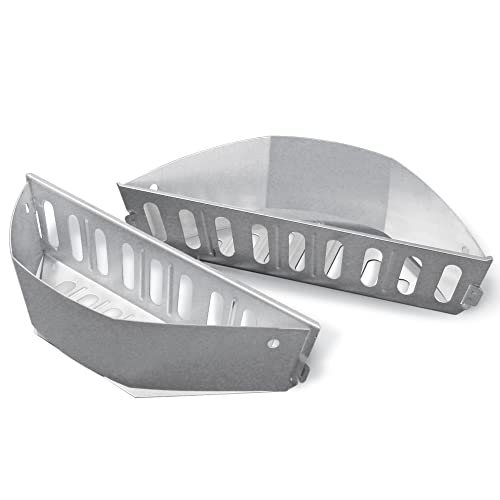
Fit up to 10 regular-sized briquettes in each charcoal holder
Sear 6 Minutes Direct, Finish 8 Minutes Indirect
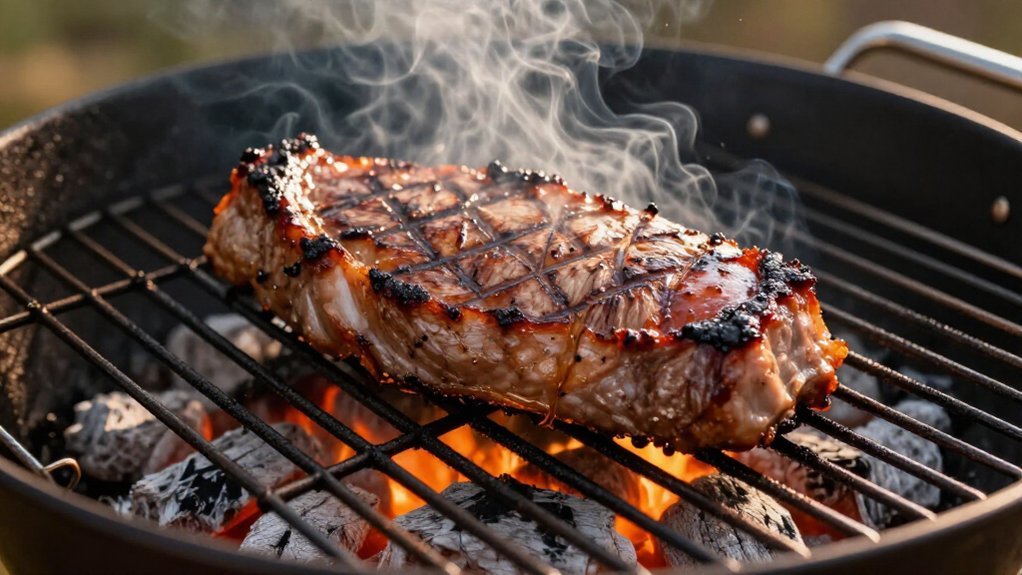
The trick to nailing pork tenderloin is all about that six-minute sear. You’ll place your tenderloin on the direct heat side of the grill, give it about two minutes per side, turning it to hit every surface. That high temperature creates a beautiful crust, and honestly, that caramelized exterior makes all the difference between average and amazing Grilled Pork.
Once you’ve got that sear locked in, shift the pork to the indirect cooking zone. Close the lid, let it cruise for roughly eight minutes, no peeking. Grab your instant read thermometer, poke the thickest part, you’re chasing 145°F. Pull it off, let it rest for 10 minutes, trust me, skipping this step ruins everything. Slice into juicy perfection, and you’ve mastered charcoal-grilled tenderloin.
Recommended Products

Instant Read Food Thermometer | Our instant read thermometer features a temperature probe and advanced, highly accurate technology with 1-2 seconds response time; Instructions, meat temperature chart, comes pre-calibrated for your convenience, and recalibrating feature if needed.

Fast & Accurate: Get precise readings in just 1 second with ±0.9°F accuracy. NSF Certified for trusted food safety, this digital food thermometer features a 4.3 inches food-grade stainless steel meat probe, perfect for grilling, frying, baking, making candy and more

【Fast & Accurate】Our meat thermometer digital delivers accurate readings within ±1°F in just 1–2 seconds, with a wide temperature range of -58°F to 572°F (-50°C to 300°C). No more waiting over the heat - know your food's exact temperature instantly.
Pull at 145°F, Rest 10 Minutes, Then Slice
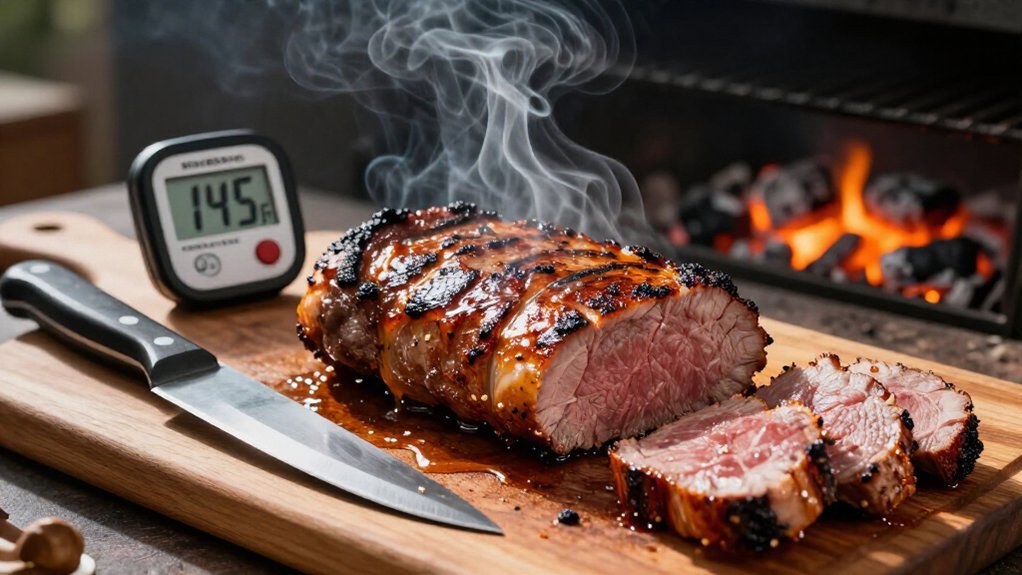
Once you’ve shifted that tenderloin to indirect heat and closed the lid, you’ve got maybe eight minutes before the real moment of truth. Whip out your meat thermometer and start checking the thickest part. You want to pull at 145°F, no more, no less.
Pull your tenderloin at 145°F—no more, no less. Pink pork is safe, juicy, and worlds better than the old-school 160°F dry-out.
Trust me, waiting for 160°F is old-school nonsense that’ll dry out your hard work on that two-zone setup. Pink pork is perfectly safe at 145°F, and it tastes worlds better. The tenderloin cooks fast, so don’t wander off.
When you hit that temp, yank it and let it rest, tented in foil, for 10 full minutes. That pork rest lets juices redistribute, keeping every bite tender.
Then slice against the grain in half-inch pieces. Wait your full minutes before slicing, patience pays off. That’s your grilled pork tenderloin recipe done right.
Recommended Products

One boneless pork tenderloin weighing between 1 and 1.75 pounds

READY TO GRILL QUICKLY: Kingsford Original Charcoal Briquettes light fast and are ready to cook on in about 15 minutes, thanks to innovative Sure Fire Technology and more edges for faster ignition
Used Book in Good Condition