


You grab a rack of ribs at the store, and honestly? You might not even know what animal you’re holding. That’s pretty frustrating when pork baby backs run you $12–$18 for a small rack, but beef short ribs can hit $25–$40 for something that looks twice as heavy.
The difference matters for your wallet and your timeline, since beef needs hours longer on the smoker to break down all that stubborn collagen.
Look closer though, those visual clues are right there if you know what to spot, and frankly, most home cooks skip right past them until it’s too late.
Bone Size and Shape: How to Tell Pork From Beef Ribs
The quickest giveaway you’re dealing with pork instead of beef is right there in your hands: size matters, and pork ribs simply don’t measure up. You’re looking at 3–6 inches of curved bone, versus 8–12 inches of serious meat architecture.
Check the bone size and shape. Baby back ribs curve gently, almost polite, while beef back ribs flatten out heavy and wide. Those plate short ribs? They’re the linebackers, chunky and blocky with meat loaded thick across the top.
Pork bones stay small and consistent; beef shows off bigger gaps, heavier marrow, more gelatin clinging around. That plate-style slab with massive bones practically shouts “beef.” You’ll feel the difference immediately, no guesswork needed.
Recommended Products

One bone-in pork back ribs weighing between 2.25 and 3.5 pounds

Baby Back Ribs, averages 11-13 bones per slab, 2.2-pounds

Meets standards for animal welfare, feed, and more, so you can know about what you're buying (and eating)
Color and Marbling: The Fastest Visual Clues
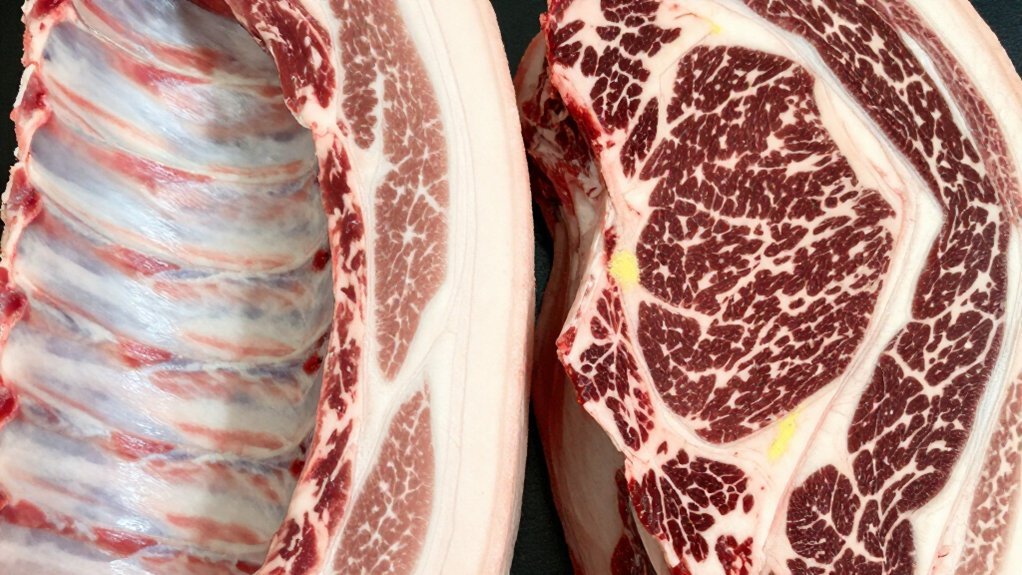
Once you’ve handled the bones, your eyes will tell you the rest of the story before you even take a bite. Look at the color first: pork ribs show lighter pink or pale red tones, while beef ribs hit you with darker burgundy shades from higher myoglobin. You’ll notice beef looks heavier, meatier, more serious.
Now check the marbling, those little fat flecks running through muscle. Beef ribs show visible marbling everywhere, especially short ribs; pork keeps things more uniform, less flashy. Beef fat spreads evenly across the cut, but pork fat hugs the lower bone tips like it’s hiding.
If you spot heavy speckling against dark red meat, you’ve got beef. Lighter and cleaner? That’s pork, no contest.
Recommended Products

One bone-in beef chuck flanken style short ribs weighing between 0.25 and 1.25 pounds

know your beef cuts when you go to the steak house. If your a chef or just a person that enjoys steak learn the different types of cuts with this wonderful design. Great for kids and or adults that want to learn more about the beef from cows.

Beef Cuts Chart Poster – Features U.S. primal cuts, retail steak examples, tenderness guide, USDA quality grades, and cooking methods.
Fat Content and Texture: Moisture Differences by Species
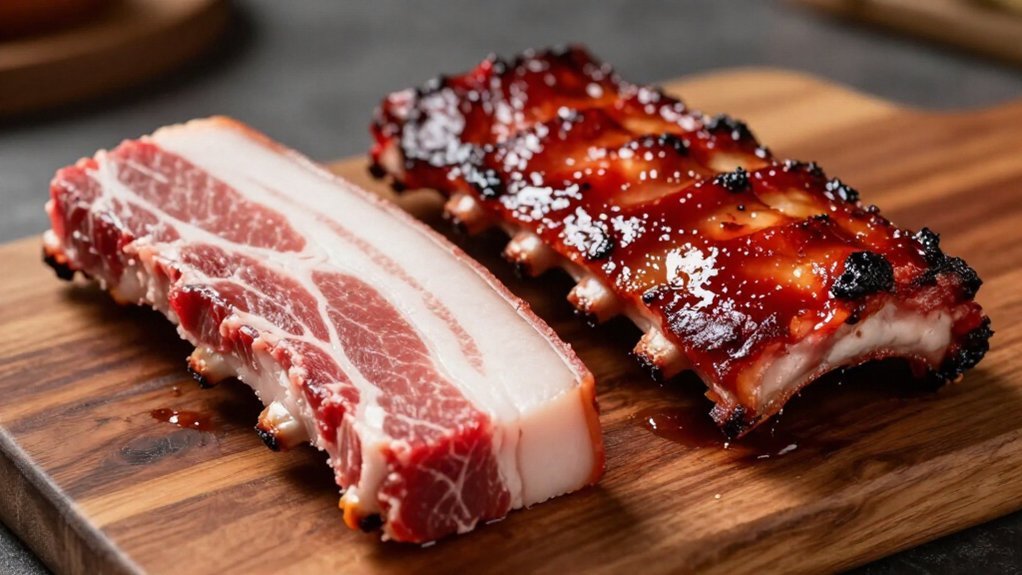
You’ll notice pork ribs carry a leaner, more “meaty” fat profile with less extreme marbling, while beef ribs hit you with heavier fat caps and that loaded, fat-laced look atop the rib, especially on short or plate cuts.
During cooking, pork stays reasonably juicy with decent timing, but beef demands careful low-and-slow work to keep all that connective tissue gelatinized rather than disappointing you with a dry, tough bite. Once you’ve got some heat on them, pork renders a moderate amount of fat and keeps those meat fibers distinct, whereas beef gives up more fat and turns silkier, almost gelatinous around the collagen-rich spots, so you’re really choosing between two totally different textures.
Recommended Products

Pre-cooked: lloyd's seasoned and smoked ribs are fully cooked; simple preparation yields an exceptional meal; grill, oven bake or microwave

Contains (1) 5oz bottle of Rib Rack Original Sugar Free BBQ Rub

The package length of the product is 5.8267716476 inches
Fat Distribution: Pork vs Beef
Why does fat matter so much when you’re staring down a rack of ribs? Fat distribution, beef and pork show completely different personalities here, and you’ll spot it immediately once you know what to look for. Pork ribs carry a more even, moderately lean profile with fat pooling lower on the rack, so that bottom section gets greasier while the top stays meatier. Beef ribs? They’re showoffs with heavy marbling, thick fat layers, and connective tissue woven throughout like a dense network that melts into juicy goodness during long cooks.
Here’s what separates them visually:
Pork looks meaty with modest streaks, not flashy but reliable. Beef flaunts thick, heavy fat between bones, almost arrogant about it. Pork fat concentrates toward rib tips, creating uneven texture. Beef collagen distributes evenly, holding moisture like a sponge. Visual weight differs: pork appears lighter, beef dense and rich.
Marbling and Texture Distinctions
When you’re trying to tell pork from beef just by looking, marbling is your biggest giveaway, though you’ve got to know what you’re actually seeing. Beef ribs usually flash more obvious streaks of fat woven right through the meat itself, while pork ribs show you a cleaner, more uniform surface with subtler fat lines.
That higher fat content in beef isn’t just for show. It melts into sticky, gelatinous richness when you cook it low and slow. Pork gives you a meatier, more straightforward bite with fat that renders evenly without getting too fussy.
Texture after cooking really seals the deal: nail the timing and beef practically dissolves, but miss it and you’ll chew for days. Pork’s more forgiving, consistently tender with less babysitting.
Rib Structure: How Butcher Cuts Reveal the Meat
The surest way to tell pork from beef ribs is checking where the butcher actually sliced them from, and honestly, it’s simpler than you’d think.
Pork baby backs come from the upper rib cage near the spine, while spares sit lower near the belly. Beef short ribs emerge from the plate, a section packed with heavy connective tissue demanding slow cooking. Beef back ribs get trimmed after the rib roast is carved, leaving less meat on the bone.
Pork cuts typically span 3–6 inches with consistent bone structure, but beef cuts stretch 8–12 inches with chunkier, marbled meat. You’ll spot pork fat clustering toward the rib tips, whereas beef distributes fat throughout the cut.
These structural differences aren’t just trivia, they dictate your cooking method completely.
Recommended Products

SIZE & FIT GUIDANCE FOR OPTIMAL TUMMY CONTROL – Featuring high compression to sculpt your waist, this waist trainer for women delivers an instant snatched look. Because of...
Portion Size and Weight: Heft in Your Hands
Pick up a slab of ribs and you’ll know pretty fast what you’re dealing with, no label required. When comparing ribs vs beef ribs, the heft tells you everything. Pork rib cuts, like baby backs and spares, run about 3–6 inches long and clock in at ounces, not pounds. Beef ribs, including beef short ribs and the lower portion cuts, stretch 8–12 inches and feel genuinely hefty in your hands, often sold by the pound.
You will notice the difference immediately at the counter. Beef feels bigger per piece, with thicker meat and substantial fat presence along the bone. Pork offers more uniform, moderately built meat. Check the label too: pound-level portions scream beef, while ounce-priced smaller cuts point straight to pork.
Recommended Products

St. Louise-style spareribs 2.75 pounds, one slab per package

One bone-in pork spareribs St. Louis style between 2.7 and 4.25 pounds

Includes one 40 ounce package of LLOYD’S Signature Smoked Baby Back Ribs in Barbecue Sauce
Cooking Time Clues: Why Beef Takes Longer
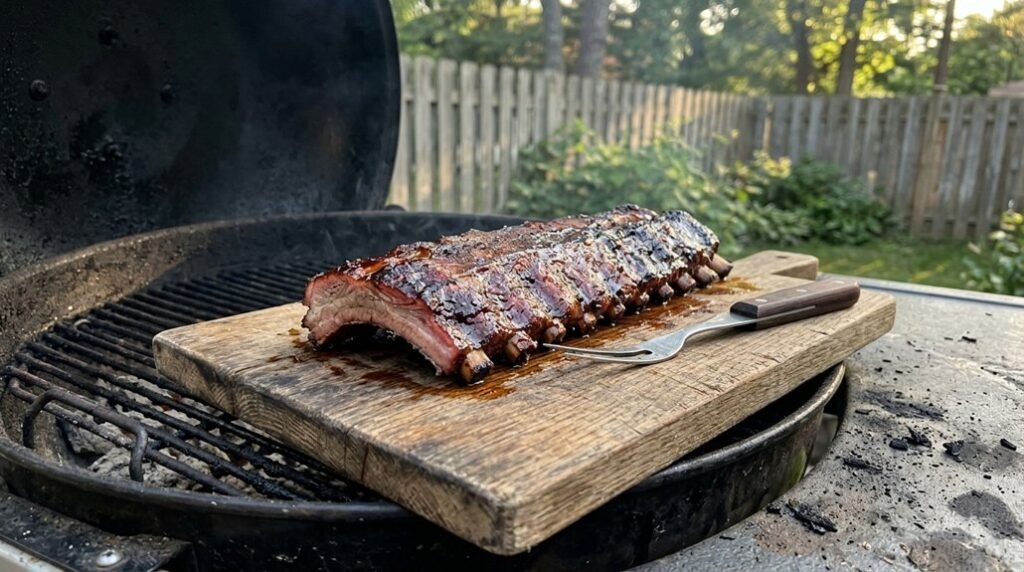
After thirty minutes on the smoker, you’ll already notice who’s winning the patience game. Beef rib cuts demand more time than Louis-style pork ribs, and you’ll feel that difference in your schedule.
Beef ribs pack more connective tissue and collagen, so they need extended low-and-slow heat to break down into tender gelatin. They’re also larger, often 8–12 inches versus pork’s 3–6 inches, which adds hours to your cook. That extra marbling? It tastes incredible when cooked right, but the fat needs serious time to render properly.
Here’s what slows beef down:
- More collagen means longer breakdown periods
- Larger bones and meat mass retain heat differently
- Higher fat content requires extended rendering
- Short ribs especially love braising-style moisture
- You’ll often run 250–275°F just to finish in reasonable time
Pork forgives shortcuts, beef doesn’t.
Recommended Products

SAVOR A FLAVORFUL FEAST: Indulge in the exquisite taste of our Prime Rib Roast, 5.5-6 lbs, serving 10-12. It is meticulously seasoned with a perfect blend of garlic, onion, celery, coriander, and thyme. This combination delivers a symphony of flavors that will tantalize your taste buds.

I Like Beef cuts and i cannot lie, Still searching for Funny Cow Heifer Bovine Dairy Meat Butcher BBQ Brisket Ribs Beef Cuts designs? Make a statement with this Beef Cuts Chart Outfit.
Supermarket Labels: What “Short Ribs” and “Baby Backs” Mean
When you’re staring at that meat case, you’ve gotta know the code: “baby backs” means pork, specifically those lean, 3-to-6-inch cuts from the upper loin near the spine, while “short ribs” screams beef, usually those bigger, fattier 8-to-12-inch monsters from the short-plate region.
The names aren’t random, they’re geological maps telling you exactly which part of the animal you’re getting, and frankly, supermarkets count on you not knowing the difference. It’s honestly a bit annoying how they’ll slap “short ribs” on beef every single time but never use that label for pork, where you’ll see “spares” or “St. Louis-style” instead, like they’re running two completely separate naming systems just to keep you on your toes.
Recommended Products

CLASSIC BBQ RIB FLAVOR: Rich herbs, spices and smoky seasonings create authentic barbecue flavor for pork ribs, beef ribs and smoked meats.

BEEF SMOKEHOUSE FLAVOR: Rich herbs and spices create bold bark and savory flavor for brisket, prime rib and beef roasts.
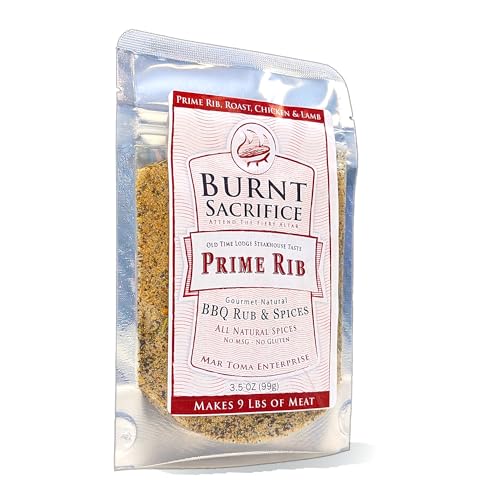
LODGE HOUSE FLAVOR: Old time lodge steak-house flavor that lets you beat the restaurants every time
Label Language Basics
At the supermarket, you’re basically decoding a secret language just to buy dinner, and honestly, it’s kind of ridiculous. “Baby back ribs” sounds cute, right? But you’re actually buying pork ribs from the upper loin, those small curved bones just 3 to 6 inches long.
Meanwhile, “short ribs” without any animal specified? That’s one of the types of beef ribs, usually 8 to 12 inches and way meatier. You have to read carefully because butcher labels love to confuse you.
Here’s what you need to watch for:
- Baby back ribs: pork only, curved and petite
- Short ribs: beef unless the label screams “pork”
- “St. Louis-style”: trimmed rectangular spare ribs
- Missing animal name: assume beef, not pork
- Always double-check; vague wording costs you money
Smart shoppers compare shapes, sizes, and exact wording before they buy.
Cut Name Origins
Those confusing labels aren’t just trying to mess with you; they’re actually telling you exactly where on the animal your ribs came from, which is pretty useful once you crack the code. “Baby back” ribs aren’t baby pigs or younger animals. They’re called that because they’re cut from high on the loin, right up near the spine, the highest point on the pig’s rib cage.
You’ll notice short ribs always sit thicker and meatier, usually beef from the lower short plate. That’s short plate ribs, loaded with collagen that breaks down beautifully after hours of smoke.
Beef back ribs? Sometimes they’re just prime rib bones after the butcher’s done trimming, so don’t expect much meat on top. Pork spares run longer and flatter, belly-side cuts that reward patience but demand more time than those quick-cooking baby backs.
Quick ID Checklist: Confirm Before You Cook
You can usually spot the difference before you even unpackage the meat, and honestly, getting it wrong makes for a frustrating cook. Check the size first: a rack of ribs that looks like it could feed a small army is almost certainly beef, those monsters run 8–12 inches and weigh pounds, not ounces. Pork ribs, cute little things, max out around 6 inches.
You’re dealing with types of pork ribs like baby backs, spares, or St. Louis cuts, all smaller and more curved than beef’s thick, flat slabs. Don’t ignore the ribs tips either; they’re that fatty, bony chunk on pork spares, basically absent on beef. Fat tells tales too. Beef carries marbling throughout like a well-marbled steak, while pork keeps its fat lower, closer to the belly.
Five quick checks that’ll save your cook:
- Check the size: beef ribs dwarf pork, no contest
- Study the fat: beef marbles evenly, pork clusters low
- Note the shape: pork curves, beef planks out thick
- Spot rib tips: pork has them, beef doesn’t
- Read the label: when in doubt, trust the packaging